
Table of Contents
ToggleNICU Hospital Near Me: Precision Care for Newborns in Critical Health
This article provides an in-depth look at what parents should know when choosing a NICU (Neonatal Intensive Care Unit) for their newborn in Ahmedabad. It will cover the importance of NICU care, the equipment and care levels provided, when your baby may need NICU care, and the state-of-the-art facilities at Dr. Jivraj Mehta Hospital. The goal is to guide parents through the NICU experience, helping them make informed decisions about their baby’s health and care.
Understanding the Importance of NICU Care
The birth of a child is one of the most joyful experiences for any family. However, for some parents, the arrival of a newborn may come with challenges that require special medical care. This is where NICU (Neonatal Intensive Care Unit) comes into play. The NICU is a specialized unit designed to provide intensive medical care to newborns, especially those who are premature, critically ill, or have certain medical complications at birth.
Choosing the right NICU hospital is crucial because the quality of care your newborn receives can significantly impact their health and development. In Ahmedabad, Dr. Jivraj Mehta Hospital stands out as one of the leading hospitals offering exceptional NICU care. In this article, we will explore what NICU care entails, how it works, the facilities available at Jivraj NICU, and how parents can be supported through this critical time.
What is a NICU?
NICU (Neonatal Intensive Care Unit) is a specialized unit in hospitals dedicated to the care of newborns who require intensive monitoring and treatment. This unit is designed to cater to premature infants, babies with low birth weight, those with respiratory issues, infections, or other congenital conditions.
Unlike regular nurseries, NICUs are equipped with advanced technology and staffed by healthcare professionals trained to provide life-saving interventions for critically ill newborns. The NICU environment is sterile and highly monitored, ensuring that each infant receives the precise care and attention they need to thrive.
Some key functions of a NICU include:
- Providing life support (e.g., ventilators, oxygen support) for babies with breathing difficulties
- Monitoring vital signs (heart rate, oxygen levels, temperature)
- Feeding support for babies who are too weak to feed on their own
- Managing infections or treating babies with conditions such as jaundice
- Nutritional support and monitoring for babies with low birth weight
The level of care and equipment used in a NICU varies depending on the infant’s condition and needs.
NICU Equipment for Baby and Care Levels
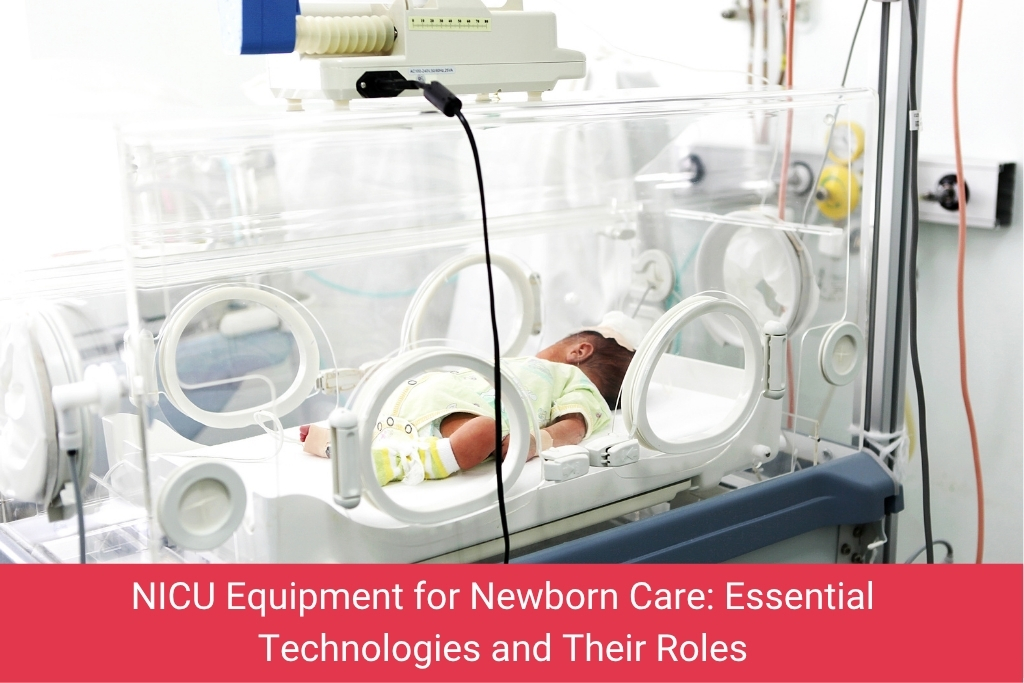
NICUs are equipped with various advanced technologies that help doctors and nurses provide precise care for newborns. Below are some common pieces of equipment found in a NICU:
- Incubators: These are used to keep premature or sick babies warm. They control the baby’s temperature and provide a sterile, safe environment.
- Ventilators: For babies who have difficulty breathing, ventilators help provide the necessary oxygen supply.
- Feeding Tubes: If a baby is too weak to suck or swallow, a feeding tube is inserted to ensure they receive proper nutrition.
- Monitors: These devices track the baby’s heart rate, oxygen levels, and other vital signs in real-time.
- CPAP (Continuous Positive Airway Pressure): This machine helps babies with breathing difficulties by providing constant air pressure to keep the airways open.
There are different levels of care provided in NICUs, and understanding these levels is essential for parents:
- Level I: Basic care for healthy newborns. This level may also include observation and stabilization.
- Level II: Intermediate care for babies who are born a little early or have mild health issues but do not require extensive intervention.
- Level III: Intensive care for critically ill or premature newborns, requiring specialized treatments such as ventilators, surgical interventions, and round-the-clock monitoring.
At Dr. Jivraj Mehta Hospital, the NICU offers Level III care, which is one of the highest levels of neonatal care. This ensures that even the most critically ill newborns receive the best chance for survival and a healthy future.
Our Other Specialties
GynaecologistTestimonial
“I had a very good and satisfying experience at Jivraj Mehta Hospital. The doctors here are highly experienced and provide clear guidance with utmost care. The hospital environment is clean, well-organized, and efficiently managed by the administrative staff. The nursing team is extremely caring and attentive, ensuring patients feel comfortable throughout their stay. Overall, the patient care is excellent, and I truly appreciate the professionalism and compassion shown by the entire team. Highly recommended!“
When Does Your Baby Need NICU Care?
Not all babies require NICU care, but there are specific situations in which NICU care becomes essential. Below are some of the most common reasons a baby might need to be admitted to a NICU:
- Prematurity: Babies born before 37 weeks of gestation are considered premature. Premature babies often face challenges such as breathing difficulties, low birth weight, and underdeveloped organs, making NICU care essential.
- Low Birth Weight: Infants weighing less than 5.5 pounds (2.5 kg) at birth may need NICU care to monitor their growth and ensure proper feeding.
- Respiratory Issues: Babies who have trouble breathing, whether due to underdeveloped lungs or other complications, may need oxygen support or a ventilator.
- Infections: Newborns are particularly vulnerable to infections. If an infection is suspected or diagnosed, the baby may need to be placed in the NICU for treatment.
- Jaundice: Newborn jaundice, which causes a yellowing of the skin and eyes, is common but may require treatment in the NICU for babies with severe cases.
- Birth Defects: Babies born with congenital conditions such as heart defects, cleft lip, or spina bifida may need surgical intervention and specialized care available in a NICU.
- Complicated Birth: If the baby has complications during birth, such as difficult labor or the use of forceps or suction, NICU care may be required to monitor their health closely.
If your baby requires NICU care, it’s important to know that the team at Dr. Jivraj Mehta Hospital is highly skilled in providing exceptional care for premature, low-birth-weight, and critically ill newborns.
Jivraj NICU Facilities: What Sets It Apart?
Dr. Jivraj Mehta Hospital offers some of the best NICU services in Ahmedabad, equipped with the latest technology and staffed by neonatology specialists. The hospital’s NICU is Level III, designed to offer the highest standard of care for newborns in critical conditions.
Key features of the Jivraj NICU include:
- State-of-the-art medical equipment: From incubators and ventilators to monitors and CPAP machines, the NICU is equipped with advanced tools to support even the most delicate babies.
- 24/7 neonatal care: The NICU is staffed round the clock by experienced neonatologists and nurses, ensuring continuous monitoring and immediate response to any emergency.
- Specialized care: In addition to standard NICU care, the hospital provides specialized care for babies born with heart defects, neurological conditions, and other critical health issues.
- Parent involvement: Parents are encouraged to be involved in their baby’s care, and the hospital offers parent counseling and support programs to help them navigate the NICU experience.
- Clean, sterile environment: The NICU maintains the highest standards of hygiene to prevent infections and ensure that babies receive the best care possible.
With these advanced facilities, Dr. Jivraj Mehta Hospital ensures that every newborn receives the best chance of a healthy start.
Parent Support in the NICU
The NICU experience can be emotionally overwhelming for parents, especially when their baby requires critical care. Dr. Jivraj Mehta Hospital recognizes the importance of supporting parents through this challenging time.
The hospital offers a range of parental support services, including:
- Emotional and psychological support: Counseling sessions for parents to cope with the emotional stress of having a baby in the NICU.
- Parent education: The hospital provides resources to educate parents on newborn care, feeding, and bonding with their baby during their NICU stay.
- Visitation policies: Parents can visit their babies regularly, depending on the health status of the infant, and are encouraged to spend time with their baby as much as possible.
This support helps parents feel more involved in their baby’s care and provides them with the strength to handle the challenges of the NICU.
Neonatology Intensive Care Unit (NICU) in Ahmedabad @ Dr Jivraj Mehta Hospital by Skilled Pediatricians and Neo-Natologists for Specialized Care of Newborn Babies
Choosing the best NICU for your newborn is crucial for their health and well-being, and Dr. Jivraj Mehta Hospital in Ahmedabad provides some of the best NICU care in the city. With advanced facilities, skilled neonatologists, and comprehensive parent support, the hospital ensures that every baby receives the best chance at a healthy start in life. The NICU team at Dr. Jivraj Mehta Hospital is dedicated to providing high-quality care while also supporting parents throughout their journey. If you’re seeking a trusted NICU facility in Ahmedabad, Dr. Jivraj Mehta Hospital is here to offer expert care and compassionate support.
Our Other Specialties
Pediatrics ServicesWhat Parents Should Know About NICU Care: FAQ
How long will my baby stay in the NICU?
The duration of NICU care depends on the baby’s health condition. Some babies stay for only a few days, while others may require longer stays, depending on their specific medical needs.
Can I visit my baby in the NICU?
Yes, parents are generally allowed to visit their baby in the NICU, although visitation hours and policies may vary based on the baby’s condition and the hospital’s rules.
Will my baby be in the NICU even if they are born healthy?
Healthy babies who do not have any complications will not need NICU care. However, if complications arise during birth or shortly afterward, the baby may be transferred to the NICU for observation or treatment.
Can I breastfeed my baby in the NICU?
Yes, if your baby is stable and able to feed, you can breastfeed. The NICU team will guide you on the best approach to feeding your baby, whether it's direct breastfeeding or pumping milk for bottle feeding.
How can I support my baby in the NICU?
Parents can support their baby by being involved in their care, such as providing breast milk, participating in skin-to-skin contact, and learning about their baby’s condition. Your baby will benefit from your presence, even in the NICU.