Waterborne Diseases in Rainy Season: How to Stay Safe from Cholera, Hepatitis A and Typhoid
Home / Blog / Waterborne Diseases in Rainy Season: How to Stay Safe from Cholera, Hepatitis A and Typhoid
August 14, 2026
Blog
Share At:
Listen Article
Waterborne Diseases in Monsoon:
This article explains the most common waterborne diseases in rainy season, including cholera, hepatitis A, and typhoid, their symptoms, causes, and prevention. The goal is to help families in Ahmedabad recognise early warning signs, understand when to get tested, and seek timely care at the General Medicine department of Dr Jivraj Mehta Hospital, so that a minor stomach upset never turns into a serious complication.
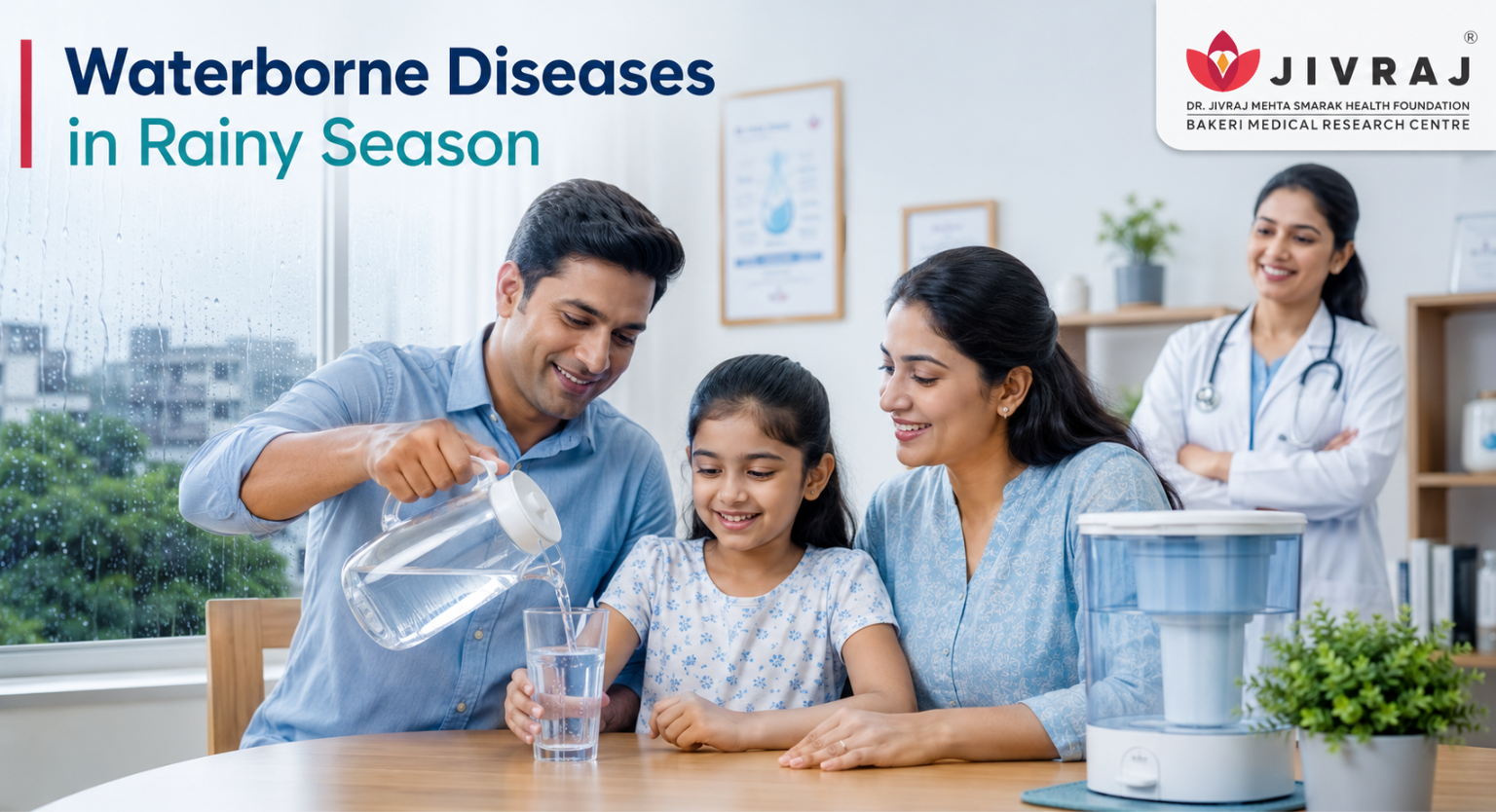
Every monsoon, contaminated water becomes one of the biggest health risks for families across India. Waterlogging, drainage overflow, and drops in water quality after heavy rain create the perfect conditions for bacteria and viruses to spread. The result is a sharp rise in waterborne diseases in rainy season, from mild stomach infections to serious illnesses like cholera, typhoid, and hepatitis A. Knowing how these diseases spread, what symptoms to watch for, and when to consult a general physician can protect your entire family this season.
What Are Waterborne Diseases?
Waterborne diseases are infections that spread through drinking or coming into contact with water contaminated by bacteria, viruses, or parasites. During the monsoon, sewage often mixes with drinking water supplies, and street food or unwashed produce adds to the risk. These infections mainly affect the digestive system and liver, causing fever, vomiting, diarrhoea, and dehydration. Because they spread so easily during the rainy season, early awareness and prompt general medicine consultation are the best forms of protection.
Cholera is a serious bacterial infection caused by consuming water or food contaminated with the Vibrio cholerae bacteria. It can cause rapid dehydration and, if untreated, can become life threatening within hours.
Cholera symptoms to watch for:
Sudden, severe watery diarrhoea
Vomiting
Rapid dehydration and extreme thirst
Muscle cramps
Weakness and low energy
How to prevent cholera: drink only boiled or purified water, avoid street food and raw salads during monsoon, wash hands thoroughly before eating, and maintain clean surroundings. Because dehydration sets in quickly, any severe watery diarrhoea should be evaluated by a general physician without delay.
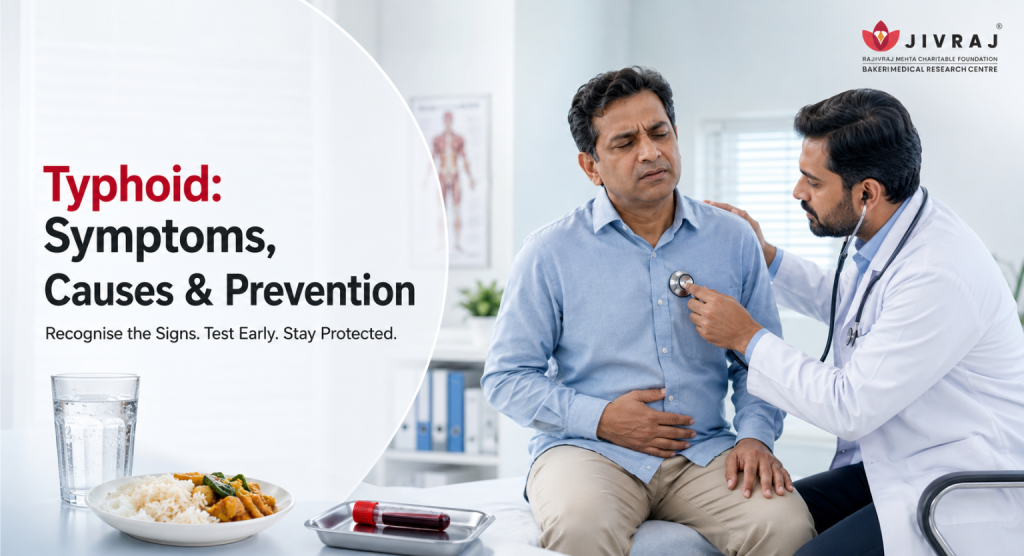
Typhoid is a bacterial infection caused by Salmonella typhi, spread through contaminated food and water. It is one of the most common waterborne diseases in rainy season and can last for weeks if not treated properly.
Typhoid symptoms to watch for:
Prolonged high fever that rises gradually
Weakness and fatigue
Stomach pain and loss of appetite
Headache
Constipation or diarrhoea
Rose coloured spots on the skin in some cases
A simple blood test, often the Widal test or blood culture, helps confirm typhoid early. Prevention includes safe drinking water, good hygiene, and typhoid vaccination for those at higher risk. Prompt general doctor care ensures the right antibiotics are started early, reducing the risk of complications.
Hepatitis A: Symptoms, Causes and Prevention
Hepatitis A is a viral liver infection that spreads through unsafe drinking water and contaminated food. It is especially common during monsoon when water quality drops.
Hepatitis A symptoms to watch for:
Fever and fatigue
Yellowing of the skin and eyes, known as jaundice
Dark coloured urine
Nausea and loss of appetite
Pain in the upper right abdomen
Most people recover with rest, hydration, and supportive care, but proper medical monitoring by a general physician is important to track liver function. Prevention includes purified water, hand hygiene, and the hepatitis A vaccine for those without immunity.
Apart from the big three, the rainy season also brings a rise in other stomach and gut infections such as gastroenteritis, rotavirus, and general food poisoning. These typically cause fever, loose motions, vomiting, and stomach cramps. Children and elderly patients are especially vulnerable to dehydration, which is why early evaluation at a general medicinedoctor is so important when symptoms are severe or persistent.
Testimonial
“I had my mom’s health checkup here. I had a very smooth experience with all the tests and procedures. The staff here is friendly and supportive. They take care of everything once you are here.“
How to Stay Safe from Waterborne Diseases
Preventing waterborne diseases in rainy is largely in your hands. Follow these simple steps to protect your family:
Drink only boiled, filtered, or purified water
Avoid street food, cut fruits, and raw salads during monsoon
Wash hands thoroughly with soap before meals and after using the toilet
Wash fruits and vegetables in clean water before cooking
Keep food covered to protect it from flies
Avoid ice from unknown sources
Ensure your household water storage is clean and covered
Keep ORS at home for early management of mild dehydration
These habits dramatically reduce your risk. However, if symptoms appear, do not self medicate for long, and consult a general physician for proper diagnosis and testing.
You should consult a general physician without delay if you or a family member experiences:
Fever lasting more than 3 days
Severe or persistent vomiting and diarrhoea
Signs of dehydration such as reduced urination, dizziness, or extreme weakness
Yellowing of the skin or eyes
Blood in stool or severe abdominal pain
Any of these symptoms in young children, elderly patients, or pregnant women
Early testing helps identify the exact cause, whether it is cholera, typhoid, hepatitis A, or another infection, so that the right treatment begins immediately.
At the General Medicine department of Dr Jivraj Mehta Hospital, patients receive comprehensive evaluation from experienced internal medicine consultants, along with on site diagnostic and lab testing facilities for quick confirmation of waterborne diseases. From rapid dehydration management to accurate testing for typhoid, hepatitis A, and other infections, the department ensures patients get timely, expert care. For families in Ahmedabad, having a trusted general medicine doctors during monsoon means faster diagnosis and better protection against complications.
What are the most common waterborne diseases in rainy season?
The most common waterborne diseases in rainy season are cholera, typhoid, hepatitis A, gastroenteritis, and other stomach infections. They spread mainly through contaminated water and food, so safe drinking water and good hygiene are the best protection.
How can I tell the difference between typhoid and normal fever?
Typhoid usually causes a gradually rising, prolonged high fever along with stomach pain, weakness, and loss of appetite, unlike a short viral fever. A blood test confirms it, so any fever lasting more than 3 days should be evaluated by a general physician.
Is cholera dangerous, and how fast does it progress?
Yes, cholera can be dangerous because it causes rapid dehydration through severe watery diarrhoea, sometimes within hours. Immediate rehydration and medical care are essential, so severe diarrhoea should never be ignored.
What are the early symptoms of hepatitis A?
Early hepatitis A symptoms include fever, fatigue, nausea, and loss of appetite, followed by jaundice (yellowing of skin and eyes) and dark urine. Medical monitoring of liver function is important for a safe recovery.
How can I prevent waterborne diseases at home?
Drink only boiled or purified water, avoid street food and raw salads, wash hands and produce properly, and keep food covered. Keeping ORS at home also helps manage early dehydration before you reach a doctor.
When should I get a test done for a monsoon stomach infection?
You should get tested if fever lasts more than 3 days, if vomiting or diarrhoea is severe, or if you notice signs of dehydration or jaundice. Early testing at a general medicine department helps identify the exact cause quickly.
Are children more at risk during monsoon?
Yes, children are more vulnerable to dehydration and waterborne infections. Any child with persistent fever, vomiting, or loose motions should be evaluated promptly rather than treated at home for too long.
How can I book a consultation for monsoon illness?
You can book an appointment with the General Medicine department at Dr Jivraj Mehta Hospital through the hospital's online appointment system or by calling the OPD helpline for a same day evaluation and lab testing during the monsoon season.
Cholera, Typhoid and Hepatitis A Treatment in Ahmedabad
Waterborne diseases in rainy season are common, but with the right precautions and timely care, they are also highly preventable and treatable. The key is to recognise early symptoms, maintain strict water and food hygiene, and never delay medical evaluation when warning signs appear. Dr Jivraj Mehta Hospital, through its dedicated General Medicine department, has long been a trusted name in Ahmedabad for comprehensive internal medicine care, offering experienced consultants, on site diagnostic and lab testing, and prompt treatment for monsoon illnesses like cholera, typhoid, and hepatitis A. Backed by modern facilities and a legacy of patient centred care, the hospital’s general physicians are ready to help you and your family stay safe this monsoon. If you notice any signs of a waterborne infection, do not wait. Book a consultation with the General Medicine team at Dr Jivraj Mehta Hospital and get the timely testing and care you need.






 Call Now
 WhatsApp