
AI Summary
Certain immediate critical care. This article outlines the key red flag symptoms that require urgent medical attention, physical symptoms are not just warning signs – they are life-threatening emergencies that demand explains why delayed response can be fatal and highlights how advanced emergency care at a critical care hospital can be the difference between life and death. From sudden chest pain and breathing difficulty to stroke signs and uncontrolled bleeding, knowing when to act is critical.
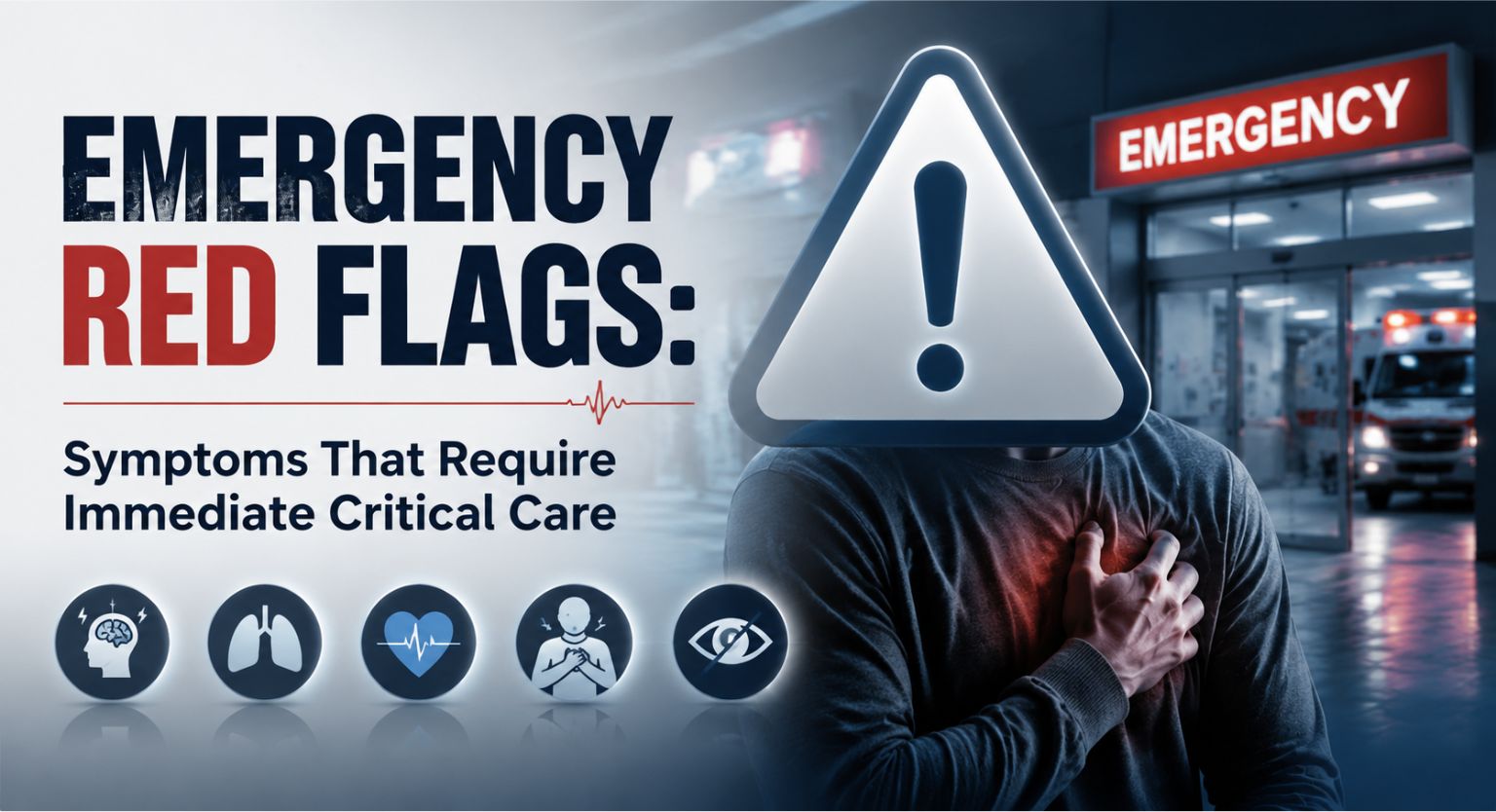
Emergency Red Flags: Symptoms That Require Immediate Critical Care
Medical emergencies do not announce themselves. They arrive without warning – in the middle of the night, during a meal or while someone is at work. The difference between a full recovery and a life-altering outcome often comes down to one thing: how quickly the right care is received. Recognising emergency red flag symptoms and responding without delay can save lives. This is why understanding what qualifies as a critical emergency is not just useful medical knowledge – it is essential.
Cardiac Emergency in Ahmedabad: Why Chest Pain Should Never Be Ignored
Chest pain is one of the most serious red flags the body can signal. When someone experiences sudden, intense pressure, tightness or squeezing in the chest – especially if it radiates to the left arm, jaw or back – it may indicate a heart attack or acute coronary syndrome. A cardiac emergency in Ahmedabad or anywhere else demands that the patient reach a hospital within the shortest possible time. Even if the pain seems mild or comes and goes, it must never be dismissed. The window for effective intervention in a heart attack is narrow and every minute of delay increases the risk of permanent heart muscle damage or death. Patients showing these signs must be taken to an emergency hospital immediately for ECG monitoring, cardiac enzyme tests and possible intervention through a cath lab.
Emergency ICU in Ahmedabad: Managing Severe Breathing Difficulty and Respiratory Distress
Sudden and severe difficulty in breathing – whether from a respiratory failure, pulmonary embolism, severe asthma attack or acute pneumonia – is a medical emergency. Laboured breathing, gasping, bluish discolouration of the lips or fingertips (cyanosis) and an inability to speak in full sentences are all urgent warning signs. Without prompt oxygen support and critical care intervention, respiratory distress can lead to organ failure within minutes. Patients with these symptoms require immediate assessment, ventilator support if needed and round-the-clock monitoring in an ICU. Jivraj Mehta Hospital is equipped with ventilator facilities and advanced ICU support to manage such acute respiratory cases with speed and precision.
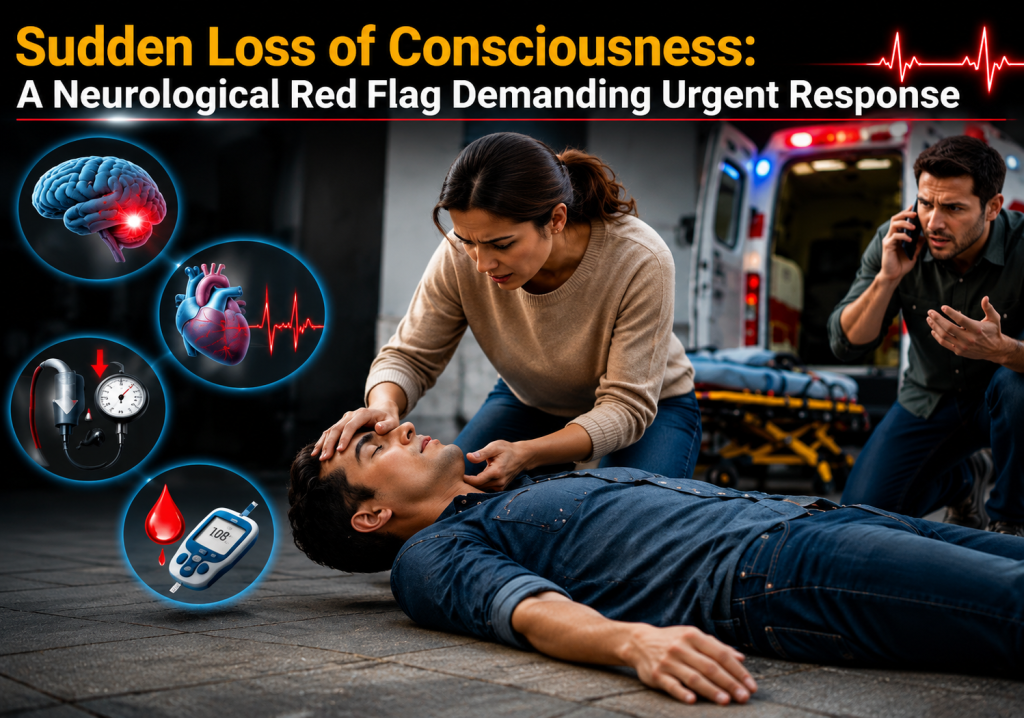
Sudden Loss of Consciousness: A Neurological Red Flag Demanding Urgent Response
Sudden unconsciousness – especially when unprovoked – can be a sign of a stroke, severe drop in blood pressure, hypoglycaemic shock, brain haemorrhage or cardiac arrhythmia. If someone collapses without warning, the immediate priority is to ensure their airway is open, call for emergency medical help and not leave them unattended. Time is particularly critical in the case of a stroke. The “FAST” test – Face drooping, Arm weakness, Speech difficulty, Time to call emergency – is a globally recognised tool for stroke recognition. Getting the patient to a facility with critical care specialists within the first hour can significantly reduce the risk of permanent neurological damage. Emergency ICU in Ahmedabad facilities with neurological and trauma support are vital in such situations.
Critical Care Specialists in Ahmedabad: Recognising Stroke through Sudden Weakness or Paralysis
One-sided weakness, sudden numbness in the face, arm or leg, loss of balance or difficulty walking are classic stroke symptoms that are frequently misread as fatigue or minor ailments. These symptoms, however, point to a potentially life-threatening interruption of blood flow to the brain. Paralysis that develops rapidly – whether partial or complete – warrants emergency evaluation and imaging such as CT scan or MRI within minutes of arrival at an emergency hospital in Ahmedabad. Critical care specialists in Ahmedabad trained in stroke management can initiate thrombolytic therapy or surgical intervention when required. Delayed care in such cases can result in long-term disability or death.
Excessive or Uncontrolled Bleeding: When Blood Loss Becomes Life-Threatening
Uncontrolled bleeding – whether due to trauma, internal haemorrhage, gastrointestinal bleeding or post-surgical complications – can push a patient into haemorrhagic shock rapidly. Signs include pale skin, rapid weak pulse, dizziness, confusion and a drop in blood pressure. Such cases require immediate blood transfusion, surgical intervention and stabilisation in a critical care environment. Emergency surgery in Ahmedabad at a hospital equipped with modern operation theatres, blood bank access and 24×7 diagnostic support can mean the difference between survival and fatality. Jivraj Mehta Hospital operates fully equipped operation theatres with round-the-clock blood bank and laboratory services to manage such emergencies without delay.
Emergency Dialysis in Ahmedabad: Recognising Acute Kidney Failure before It's Too Late
Acute kidney failure can develop rapidly in patients who experience severe infections, trauma, prolonged low blood pressure or toxic exposure. Warning signs include sudden reduction or complete stoppage of urine output, swelling in the legs and face, confusion, extreme fatigue and shortness of breath. Without timely intervention, toxins accumulate in the blood and can affect the heart, lungs and brain. Emergency dialysis in Ahmedabad at a facility with a high-tech dialysis centre is critical in such cases. Jivraj Mehta Hospital’s dialysis infrastructure supports acute kidney injury cases around the clock, ensuring that renal emergencies receive immediate attention.
High Fever with Altered Mental Status: Sepsis and Infection Emergencies
A high-grade fever accompanied by confusion, rapid breathing, low blood pressure and extreme weakness may be indicative of sepsis – a life-threatening immune response to infection. Sepsis can escalate to septic shock within hours if not treated aggressively. It is among the leading causes of ICU admissions globally. Patients displaying these symptoms need immediate blood cultures, IV antibiotics, fluid resuscitation and continuous monitoring. Critical care specialists in India with expertise in managing severe and time-sensitive cases, at Jivraj Mehta Hospital, play a decisive role in reducing sepsis mortality through early goal-directed therapy.
Testimonial
“I had my mom’s health checkup here. I had a very smooth experience with all the tests and procedures. The staff here is friendly and supportive. They take care of everything once you are here.“
Critical Care Hospital in Ahmedabad: Severe Head Injury and Immediate Neurocritical Response
Any significant blow to the head – from a road accident, fall or assault – can cause intracranial bleeding, brain swelling or skull fracture. Red flags following head trauma include loss of consciousness, persistent vomiting, unequal pupils, clear fluid from the nose or ears and progressive drowsiness. These symptoms indicate a neurosurgical emergency and must be evaluated with emergency CT imaging immediately. Waiting or monitoring at home is not an option. Facilities with a multi-disciplinary team of critical care specialists and access to round-the-clock neurosurgical support are equipped to manage such cases effectively.
Jivraj Mehta Hospital: Where Critical Emergencies Meet Expert Care
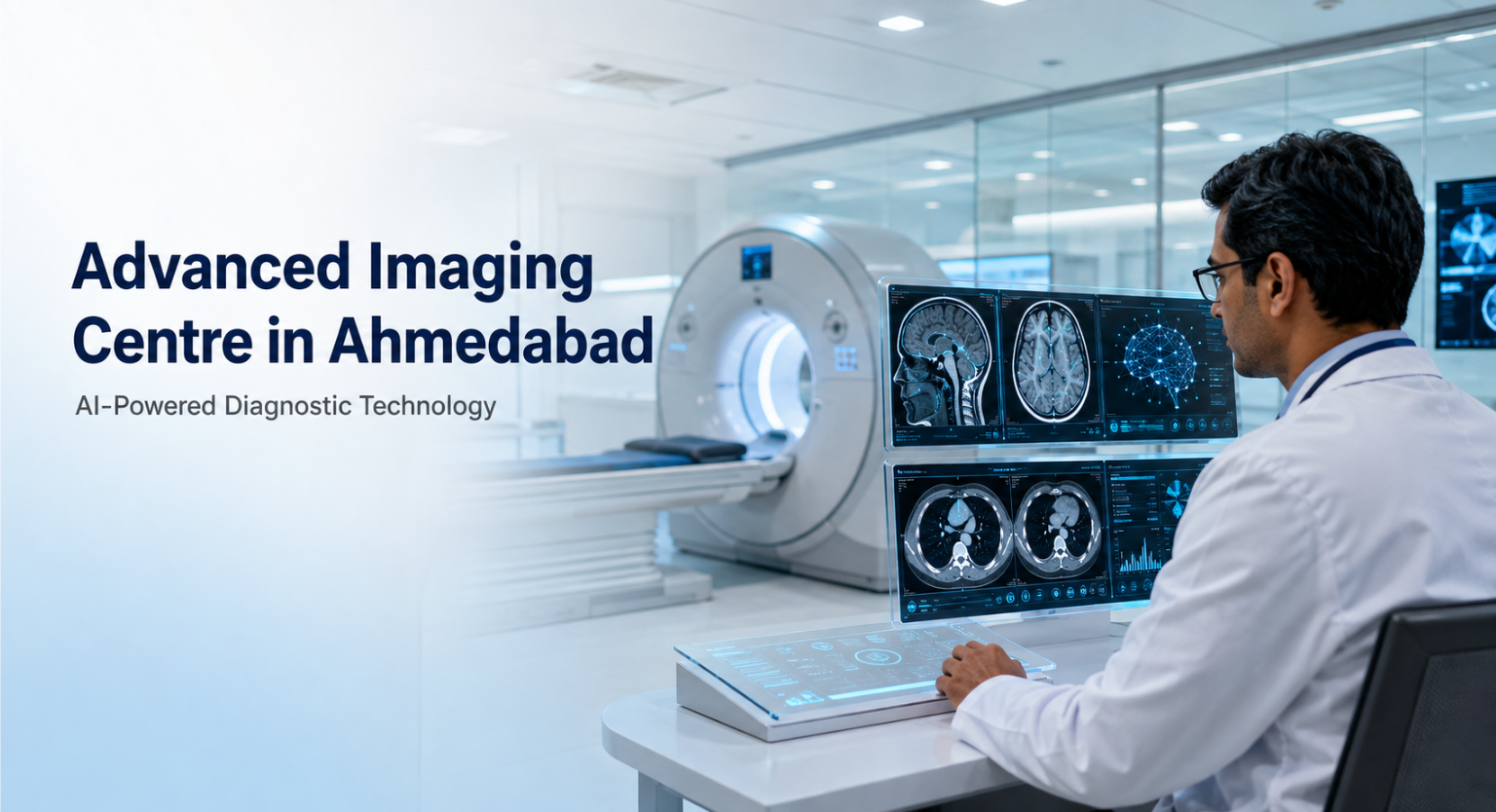
Jivraj Mehta Hospital has been a trusted name in emergency and critical care for over three decades, serving patients across Ahmedabad and beyond. Equipped with modern ICU, ICCU, NICU and PICU units, a high-tech dialysis centre, cath lab, fully operational operation theatres and a 24×7 emergency hospital in Ahmedabad is built to handle the most complex medical emergencies without delay. A dedicated team of critical care specialists manages cardiac emergencies, stroke cases, respiratory failures, trauma and multi-organ crises around the clock. With 24×7 MRI, CT scan, blood bank and diagnostic support available under one roof, every critical service – from emergency surgery to emergency dialysis – is accessible the moment it is needed most.
Conclusion
Recognising a medical emergency early is the first and most important step toward survival. Whether it is a cardiac arrest, stroke, acute kidney failure or uncontrolled bleeding, acting within the critical window and reaching a capable emergency hospital in Ahmedabad can determine the outcome. Jivraj Mehta Hospital brings together advanced ICU infrastructure, a multi-disciplinary team of critical care specialists and round-the-clock emergency services to ensure that every life-threatening situation receives the urgent, expert response it demands. When every second counts, knowing where to go matters.
FAQs
What are the most common red flag symptoms that need immediate critical care?
Chest pain, sudden unconsciousness, difficulty breathing, severe bleeding and rapid-onset paralysis are among the top emergencies requiring urgent critical care intervention.
How does a cardiac emergency in Ahmedabad get treated at a critical care hospital?
Patients are immediately assessed with ECG and cardiac enzymes, followed by cath lab intervention or emergency surgery based on the severity of the cardiac event.
When is emergency dialysis needed and how quickly can it be initiated?
Emergency dialysis is needed in acute kidney failure with toxin buildup; at Jivraj Mehta Hospital, it can be initiated on an urgent basis with round-the-clock dialysis support.
What is the role of emergency ICU care in stroke management?
Stroke patients in the ICU receive continuous neurological monitoring, imaging support and time-sensitive therapies to minimise brain damage and improve recovery outcomes.
How do critical care specialists manage sepsis in an emergency setting?
Critical care specialists initiate rapid antibiotic therapy, fluid management and organ support protocols to prevent sepsis from progressing into life-threatening septic shock.