Heatstroke & Dehydration in Summer: Symptoms, Prevention Tips & What to Do in a Heat Emergency
Home / Blog / Heatstroke & Dehydration in Summer: Symptoms, Prevention Tips & What to Do in a Heat Emergency
May 22, 2026
Blog
Share At:
Listen Article
Summer Health Tips to Avoid Dehydration:
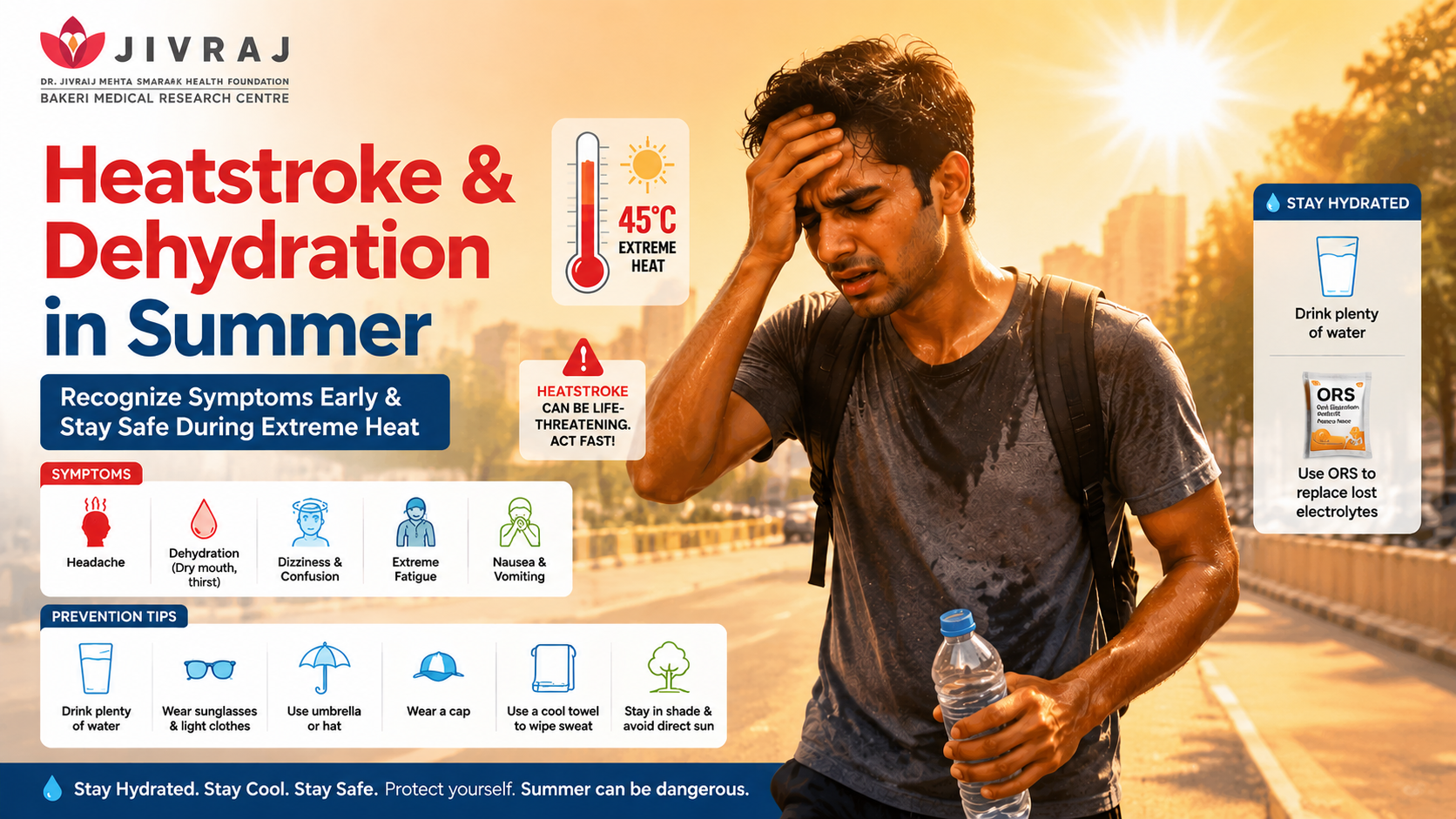
As the summer heat intensifies, it’s crucial to understand the risks of heat-related illnesses like heatstroke and dehydration. This article will help you recognize the symptoms, understand the risks, and learn effective prevention strategies. By following these tips, you can ensure that you stay safe during extreme heat and be prepared to respond to heat emergencies. This article is specifically useful for individuals in regions facing high summer temperatures, like Ahmedabad and other parts of India, where heatstroke cases tend to rise during the peak summer season.
Ways to Beat the Summer Heat
Summer brings warmer days, but with the rising temperature, it also increases the risk of heatstroke and dehydration—two dangerous conditions that can have serious health implications if not addressed promptly. Whether you’re spending time outdoors, working under the sun, or just going about your daily routine, being informed about these conditions is essential for your health and safety.
In this article, we’ll guide you through what heatstroke and dehydration are, how to spot their symptoms, how to prevent them, and what actions you should take in case of an emergency. This information will help you navigate the intense heat of summer and keep yourself and your loved ones protected.
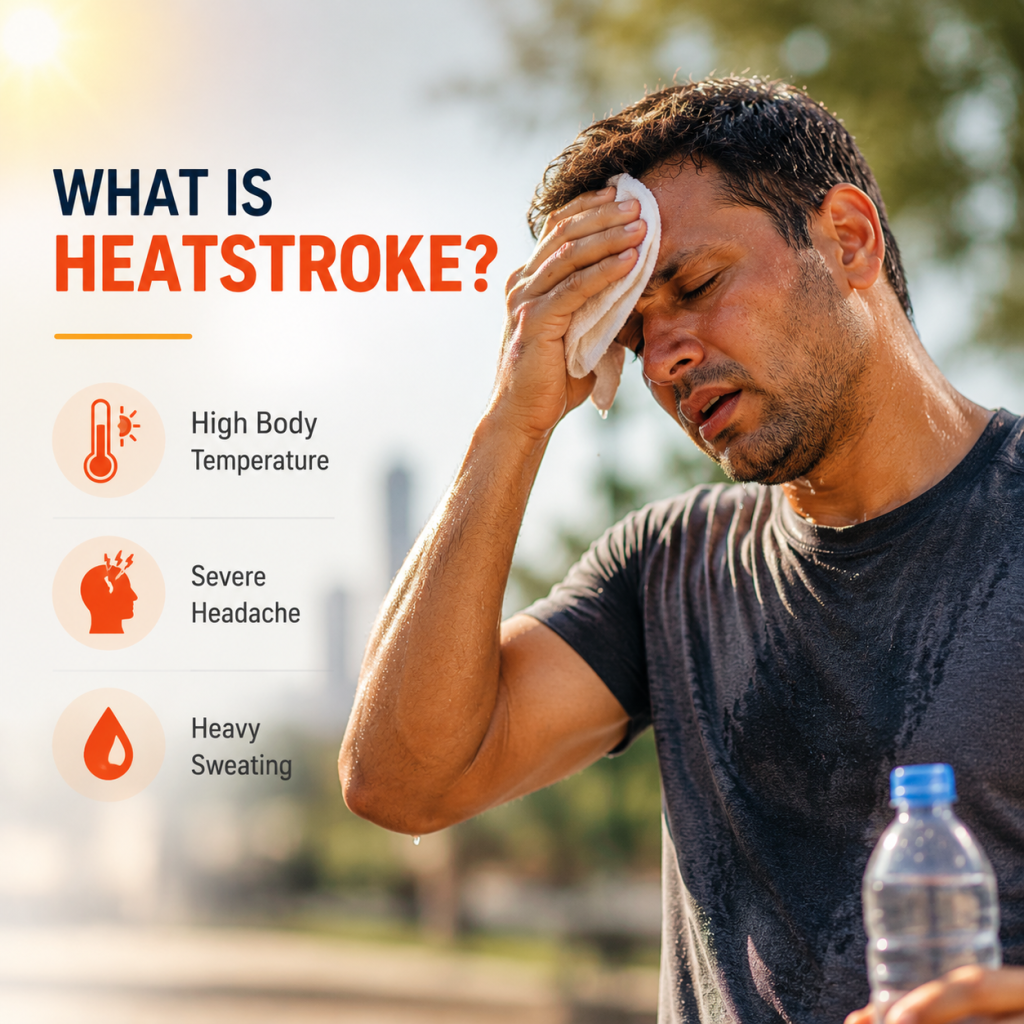
Heatstroke is a severe heat-related illness that occurs when your body is unable to regulate its temperature in extreme heat, causing your core body temperature to rise rapidly. This can lead to organ damage, shock, and even death if not treated immediately. Unlike mild heat exhaustion, heatstroke is a medical emergency that requires immediate action.
Symptoms of Heatstroke
High body temperature (above 104°F or 40°C)
Confusion or disorientation
Nausea or vomiting
Rapid heartbeat and breathing
Red, hot, and dry skin (lack of sweating despite heat)
Headache and dizziness
Loss of consciousness or fainting
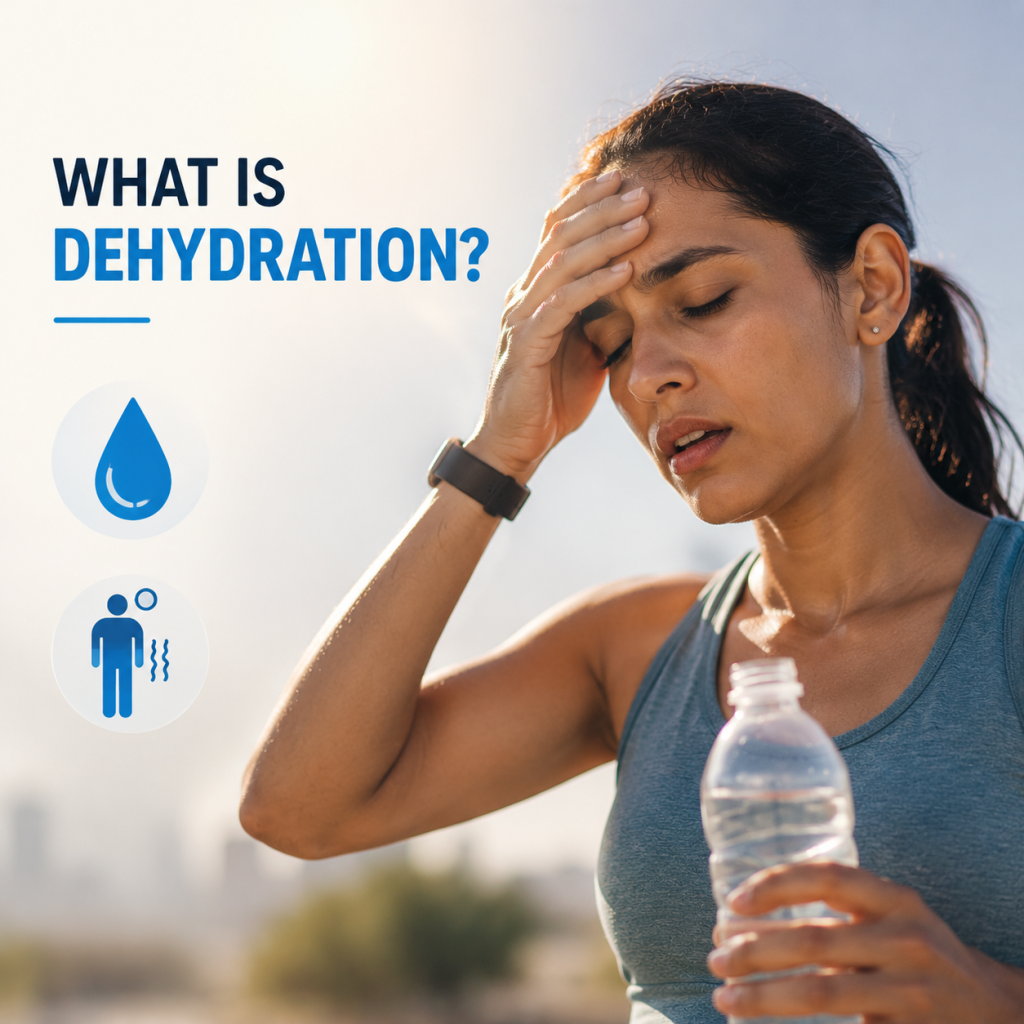
What Is Dehydration?
Dehydration occurs when your body loses more water than it takes in, leading to a lack of essential fluids for normal bodily functions. It is common during hot weather, especially when you’re sweating excessively and not replenishing lost fluids.
Drinking water is the best way to prevent both dehydration and heatstroke. In hot weather, drink plenty of fluids, even if you’re not thirsty. Electrolyte drinks like sports drinks or coconut water can help replenish minerals lost through sweat.
Drink at least 8-10 glasses of water per day.
Avoid alcohol, caffeinated drinks, and sugary beverages that can worsen dehydration.
Take Regular Breaks in Cool Areas
If you’re working outdoors or exercising, make sure to take regular breaks in shaded or air-conditioned spaces. The body can overheat quickly when exposed to direct sunlight for extended periods.
Wear Light, Loose Clothing
Opt for light-colored, loose-fitting clothing made from breathable fabrics like cotton. This allows for better ventilation and helps your body regulate temperature.
Avoid Peak Sun Hours
The sun is at its hottest between 10 a.m. and 4 p.m. During these hours, try to stay indoors or seek shade whenever possible. If you must be outside, wear a wide-brimmed hat, sunscreen (SPF 30 or higher), and sunglasses to protect your skin and eyes.
Use Sunscreen
Even if you’re not spending long hours outdoors, apply sunscreen regularly to protect your skin from harmful UV rays. Sunscreen helps prevent sunburn, which can worsen dehydration.
Eat Cooling Foods
Include hydrating fruits like watermelon, cucumbers, and oranges, and vegetables such as lettuce and celery. Avoid heavy, spicy foods, which can make you feel hotter.
Client Speaks
“I recently visited the Health Checkup Department at Dr. Jivraj Mehta Hospital, and I must say, I am thoroughly impressed with the entire experience. From the moment I arrived, the staff was welcoming, professional, and made me feel at ease. The checkup process was smooth and well-organized, with clear instructions provided every step of the way. The medical team was attentive, knowledgeable, and took the time to answer all of my questions, ensuring I fully understood the procedures and results. The facilities were clean, modern, and equipped with the latest technology, making me feel confident in the quality of care. I was especially appreciative of how efficient the process was, allowing me to complete all necessary tests without unnecessary wait times. Overall, the Health Checkup Department at Dr. Jivraj Mehta Hospital exceeded my expectations, and I would highly recommend it to anyone looking for comprehensive and reliable health checkup services.”
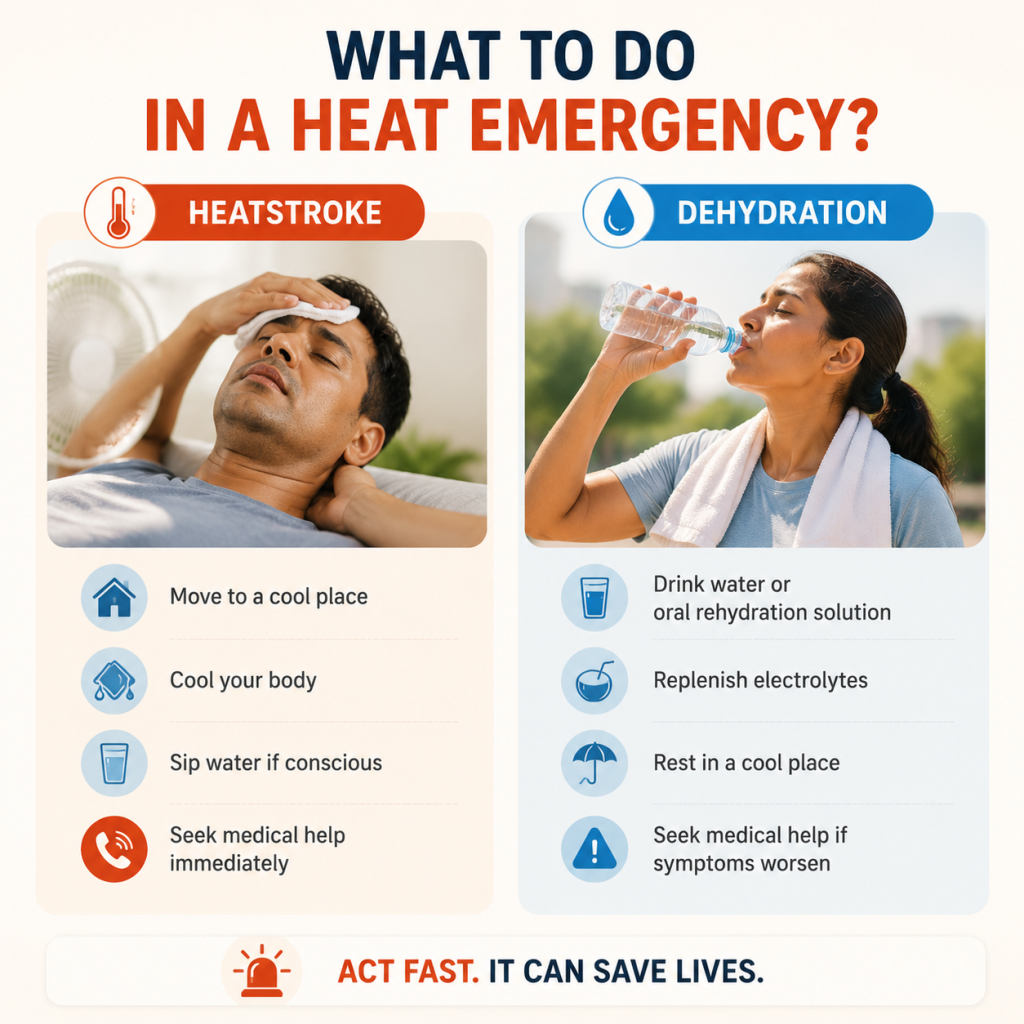
What to Do in a Heat Emergency?: Heatstroke and Dehydration
If you or someone around you shows signs of heatstroke or dehydration, immediate action is necessary to prevent further health complications.
In Case of Heatstroke:
Call Emergency Services Immediately: Heatstroke is a life-threatening condition that requires urgent medical care. Call for an ambulance right away.
Move the Person to a Cooler Location: Get them into a shaded area or an air-conditioned room.
Cool the Body: Use cold water, ice packs, or cool, damp cloths to lower their body temperature.
Loosen Clothing: Remove excess clothing to help the body cool more quickly.
Offer Water If They Are Conscious: If the person is still conscious and able to drink, offer small sips of cool water. Avoid giving them sugary drinks.
In Case of Dehydration:
Rehydrate: Provide the person with water or electrolyte drinks. Small sips are more effective than large gulps.
Rest in a Cool Place: Make sure the person rests in a cool, shaded area.
Avoid Further Fluid Loss: Keep the person out of the heat and encourage them to rest.
Why Heatstroke and Dehydration Are More Dangerous Than You Think?
Extreme heat can cause more than just discomfort—it can have life-threatening consequences if not properly managed. While many people may think that heat-related illnesses are inevitable during summer, preventing heatstroke and dehydration is entirely within your control. Understanding the severity of these conditions and knowing how to respond quickly is critical to your health and well-being.
The Hidden Dangers of Heatstroke and Dehydration
Long-Term Effects of Heatstroke: Heatstroke is not just about getting through a hot day. If left untreated, it can cause brain damage, kidney failure, and even death. The longer your body temperature remains high, the greater the risk of organ failure and permanent damage. Immediate action can prevent these severe outcomes, making early detection and treatment paramount.
Vulnerable Populations at Higher Risk: While anyone can be affected by extreme heat, certain groups are more vulnerable. Children, the elderly, pregnant women, and individuals with pre-existing conditions (such as heart disease, diabetes, or respiratory issues) are at a higher risk of experiencing severe heatstroke or dehydration. Outdoor workers—including farmers, construction workers, and athletes—are also particularly susceptible, as they spend long hours exposed to the sun without proper precautions.
Dehydration and Cognitive Function: Dehydration doesn’t just affect your body physically—it also impacts mental function. Studies show that even mild dehydration can lead to confusion, irritability, and difficulty concentrating. Severe dehydration can cause delirium, seizures, and coma. These cognitive impairments can be dangerous, particularly when trying to handle heatstroke emergencies or when operating machinery or vehicles.
Emergency Medical Intervention is Critical: While prevention is key, it’s essential to recognize that heatstroke and dehydration are medical emergencies that require immediate professional care. If you or someone around you begins to show signs of heatstroke—such as confusion, rapid pulse, and loss of consciousness—it’s crucial to call emergency services right away. Prompt treatment can save lives and prevent long-term health issues.
To prevent the devastating effects of heatstroke and dehydration, follow these simple yet high-impact actions:
Check on elderly relatives and neighbors: Ensure they are staying hydrated and not overexposed to the sun.
Encourage outdoor workers to take breaks in shaded or air-conditioned spaces.
Stay informed: Keep track of your local weather reports, especially during extreme heatwaves, and be prepared to adjust your plans accordingly.
Prioritize prevention over recovery: It’s easier to prevent heatstroke than to treat it, so start early and stay cool, hydrated, and rested.
By taking these precautions and knowing how to respond, you can significantly reduce the risks posed by extreme summer heat. Remember, your safety and the safety of those around you should always come first. Stay aware, stay cool, and stay hydrated.
Impactful Tip: Sharing heat safety information with others can save lives. If you or someone you know is at risk, make sure to spread awareness and take steps to stay cool.
As temperatures continue to rise, it’s essential to be aware of the dangers of heatstroke and dehydration. By following the right precautions, staying hydrated, and taking breaks in the heat, you can protect yourself and your loved ones from these serious health risks.
At Dr. Jivraj Mehta Hospital, we are committed to providing emergency care and medical attention for heat-related illnesses. Our experienced team is ready to assist with the prompt treatment of heatstroke and dehydration, ensuring that you receive the best care during summer emergencies.
For more information or immediate assistance, feel free to contact Dr. Jivraj Mehta Hospital for expert care and advice on managing summer health risks.
FAQs on Heatstroke and Dehydration in Summer
What is the difference between heat exhaustion and heatstroke?
Heat exhaustion is a milder form of heat illness with symptoms like fatigue and dizziness, while heatstroke is a life-threatening emergency that requires immediate medical attention.
How much water should I drink in the summer to stay hydrated?
Aim for 8-10 glasses of water per day. If you're active or spending time in the sun, increase your fluid intake to account for sweat loss.
Can dehydration cause headaches?
Yes, dehydration can lead to headaches due to reduced fluid levels affecting brain function and circulation.
How can I avoid dehydration if I’m exercising in the heat?
Drink water before, during, and after your workout, and take frequent breaks in the shade. Opt for electrolyte beverages if you're sweating heavily.
Are young children and the elderly at higher risk for heat-related illnesses?
Yes, both young children and older adults are more susceptible to heat-related illnesses because their bodies are less efficient at regulating temperature.







 WhatsApp
 Call Now!