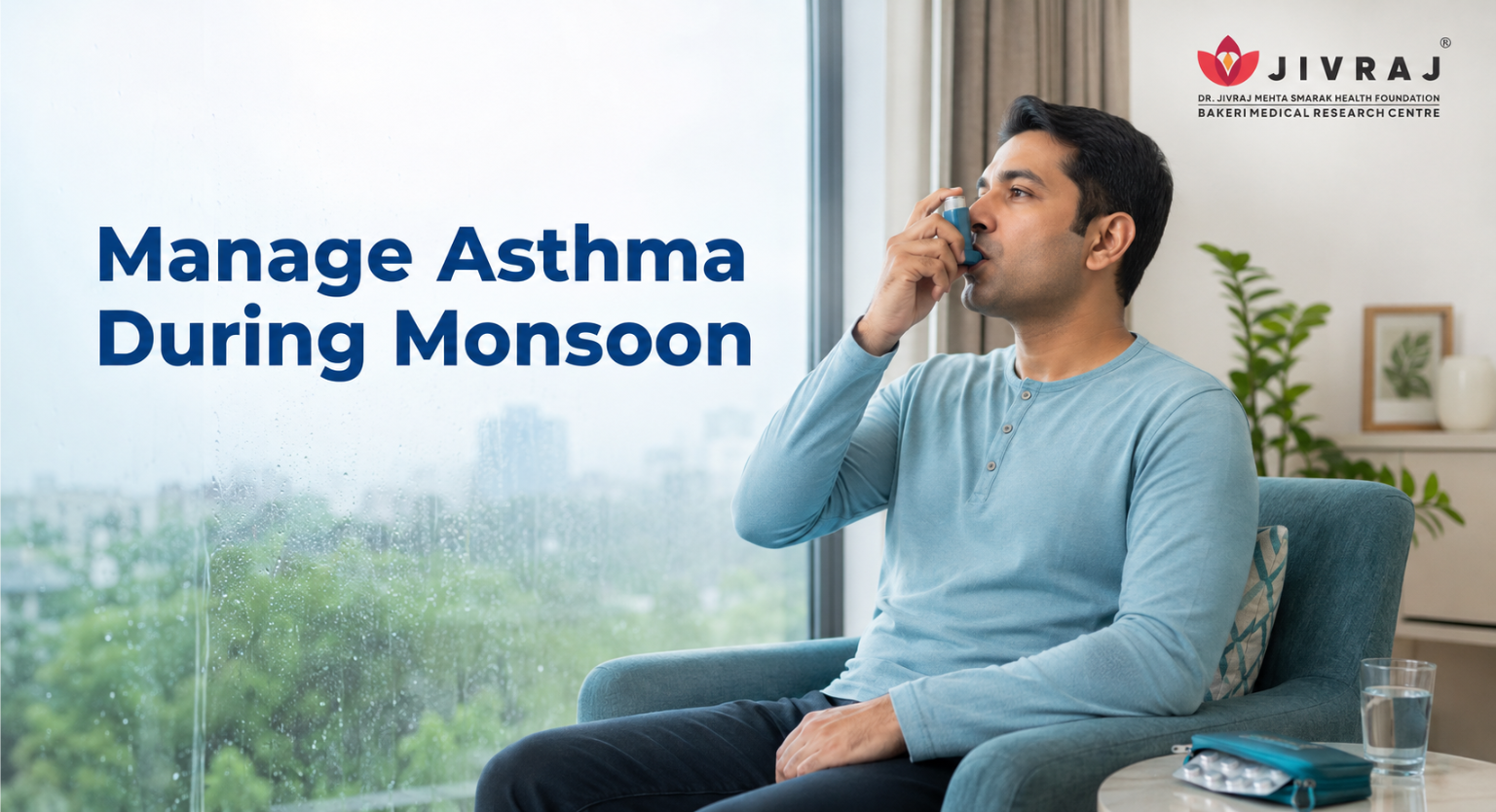
How to Manage Asthma and Breathing Problems During Monsoon Season?
Home / Blog / How to Manage Asthma and Breathing Problems During Monsoon Season?
August 14, 2026
Blog
Share At:
Listen Article
Asthma and Breathing Issue in Rains:
This article explains why asthma in monsoon tends to get worse, what triggers breathing problems in rainy season, and how to manage them effectively. The goal is to help patients with asthma and other chronic lung conditions in Ahmedabad control their symptoms, avoid flare ups, and know when to seek expert care at the General Medicine department of Dr Jivraj Mehta Hospital.
For many people, the monsoon brings relief from the summer heat. But for those living with asthma and other respiratory conditions, the rainy season often means more coughing, wheezing, and shortness of breath. High humidity, mould, dust mites, and sudden weather changes all combine to trigger flare ups. Understanding why asthma in monsoon worsens and how to manage breathing problems in rainy season can help you breathe easier and avoid emergency situations. This guide, backed by general medicineexpertise, explains it all.
If you have ever wondered why does asthma get worse in rainy season, the answer lies in the environment. The monsoon creates several conditions that irritate sensitive airways:
High humidity makes the air heavy and harder to breathe, triggering airway constriction
Mould and fungus grow rapidly in damp walls, corners, and bathrooms, releasing spores that irritate the lungs
Dust mites thrive in humid bedding, carpets, and soft furnishings
Sudden temperature changes between rain and indoor air can trigger sudden flare ups
Poor ventilation during rains traps allergens indoors
Increased viral infections during monsoon add extra strain on the lungs
These triggers explain why breathing problems in rainy season are so common, and why patients with existing conditions need extra care during these months.
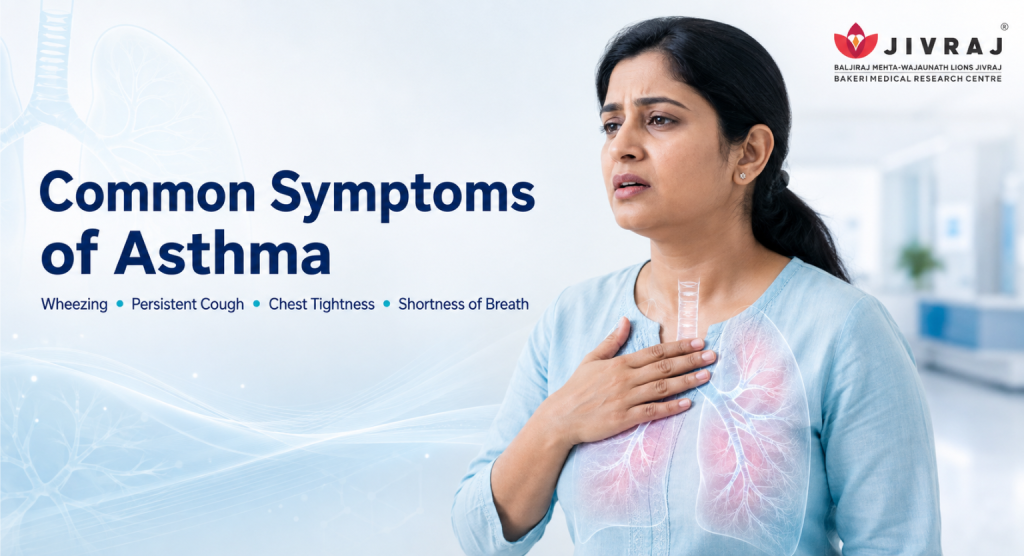
Recognising early asthma symptoms helps you act before a flare up becomes serious. Watch for:
Shortness of breath or difficulty breathing
Wheezing, a whistling sound while breathing
Persistent cough, often worse at night or early morning
Tightness or heaviness in the chest
Fatigue and difficulty with normal activity
Trouble sleeping due to breathing difficulty
If these breathing problems worsen or do not respond to your usual medication, it is important to consult a general physician promptly rather than waiting.
How to Manage Asthma During Monsoon?
Managing asthma in monsoon is about controlling your environment and staying consistent with treatment. Here are practical steps:
Keep your home dry and well ventilated to prevent mould growth
Clean damp areas, bathrooms, and corners regularly
Wash bedding frequently in hot water to reduce dust mites
Use a dehumidifier if humidity levels are very high indoors
Avoid stepping out during heavy rain and cold winds
Keep your inhaler and prescribed medication with you at all times
Do not skip your maintenance medication, even when you feel well
Get a flu vaccine, as respiratory infections worsen asthma
Stay hydrated and maintain overall immunity
Consistency is key. Many flare ups happen because patients stop their preventive medication once they feel better. A general medicineconsultation in Ahmedabad can help you build a season specific management plan.
While anyone can develop breathing problems in rainy season, certain groups need extra caution. This includes people with existing asthma, bronchitis, or COPD, elderly patients, young children, smokers, and those with weakened immunity. For these individuals, the combination of humidity, allergens, and monsoon infections can quickly escalate into a serious flare up. Regular follow up with an internal medicine specialist in Ahmedabad is strongly recommended during the season.
Simple Lifestyle Habits That Support Your Lungs in Monsoon
Beyond medication, a few daily habits can make a big difference in how well you manage asthma in monsoon. Staying physically active with light indoor exercises helps keep your lungs strong, while breathing exercises and pranayama can improve lung capacity over time. Eating a balanced diet rich in fruits, vegetables, and immunity boosting foods supports your body against the frequent infections that circulate during the rainy season. Staying well hydrated keeps the airways moist and helps thin mucus, making it easier to breathe. It also helps to identify and note your personal triggers, whether that is dust, cold air, strong smells, or humidity, so you can avoid them before they cause a flare up. Keeping your living space clean, dry, and free of mould is one of the most effective ways to reduce breathing problems in rainy season. These small, consistent steps, combined with regular general medicine follow ups, give you far better control over your respiratory health through the monsoon months.
You should consult a general physician without delay if you experience:
Breathlessness that does not improve with your inhaler
Rapid or difficult breathing even at rest
Chest tightness that keeps worsening
Bluish lips or fingertips, a sign of low oxygen
Inability to speak full sentences due to breathlessness
Persistent cough with fever during monsoon
These are warning signs that need immediate medical attention. Timely evaluation at a general medicine department can prevent a manageable flare up from turning into an emergency.
“I am truly thankful to jivraj mehta team who indeed saved me during my critical time. The jivraj team they are the brilliant and the services of hospital are tremendously good . I was admitted in general ward for illnesses ward experience is excellent”
How the General Medicine Department Can Help
At the General Medicine department of Dr Jivraj Mehta Hospital, patients with asthma and chronic respiratory conditions receive comprehensive evaluation from experienced internal medicine consultants. The department helps assess lung function, adjust medication for the monsoon season, manage flare ups, and treat any underlying infections that worsen breathing. For patients in Ahmedabad, having a trusted general medicine team means better seasonal control and fewer emergency situations during the rains.
Asthma gets worse in the rainy season because high humidity, mould, dust mites, and sudden weather changes irritate sensitive airways. Increased viral infections during monsoon also add strain, making flare ups more common.
How can I prevent asthma flare ups during monsoon?
Keep your home dry and well ventilated, wash bedding in hot water, avoid damp and cold conditions, and never skip your maintenance medication. A general physician can help you create a monsoon specific management plan.
Is breathing difficulty in monsoon always due to asthma?
Not always. Breathing problems in rainy season can also be caused by respiratory infections, bronchitis, or allergies. A proper evaluation by a general medicine specialist helps identify the exact cause and correct treatment.
Can humidity alone trigger breathing problems?
Yes, high humidity makes the air heavier and can trigger airway constriction, especially in people with asthma or other lung conditions. Using a dehumidifier and improving ventilation can help reduce this effect.
Should I continue my asthma medication even when I feel fine?
Yes. Maintenance medication should not be stopped just because you feel better, as many flare ups happen when preventive treatment is skipped. Always follow your doctor's guidance on continuing medication.
When is breathlessness an emergency?
Breathlessness becomes an emergency when your inhaler does not help, when you struggle to breathe at rest, when you cannot speak full sentences, or if you notice bluish lips. Seek immediate medical care in these situations.
Do respiratory infections make asthma worse in monsoon?
Yes, viral and bacterial respiratory infections are common in monsoon and can significantly worsen asthma. This is why treating infections early and getting a flu vaccine are important for asthma patients.
How can I book a consultation for asthma or breathing problems?
You can book an appointment with the General Medicine department at Dr Jivraj Mehta Hospital through the hospital's online appointment system or by calling the OPD helpline for evaluation and a seasonal management plan.
Visit Jivraj Mehta Hospital for Breathing Issues During Rains
The monsoon may be a difficult season for anyone living with asthma or chronic breathing problems, but with the right precautions and consistent care, flare ups can be controlled and emergencies prevented. The key is to manage your environment, stay regular with medication, and seek help early when symptoms worsen. Dr Jivraj Mehta Hospital, through its dedicated General Medicine department, has long been a trusted name in Ahmedabad for comprehensive internal medicine care, offering experienced consultants, thorough respiratory evaluation, and personalised treatment plans for seasonal flare ups. Backed by modern facilities and a legacy of patient centred care, the hospital’s general physicians are ready to help you breathe easier this monsoon. If you or a loved one struggles with asthma or breathing problems in rainy season, do not wait for a flare up to become serious. Book a consultation with the General Medicine team at Dr Jivraj Mehta Hospital and take control of your respiratory health.