
Blog

Title Image

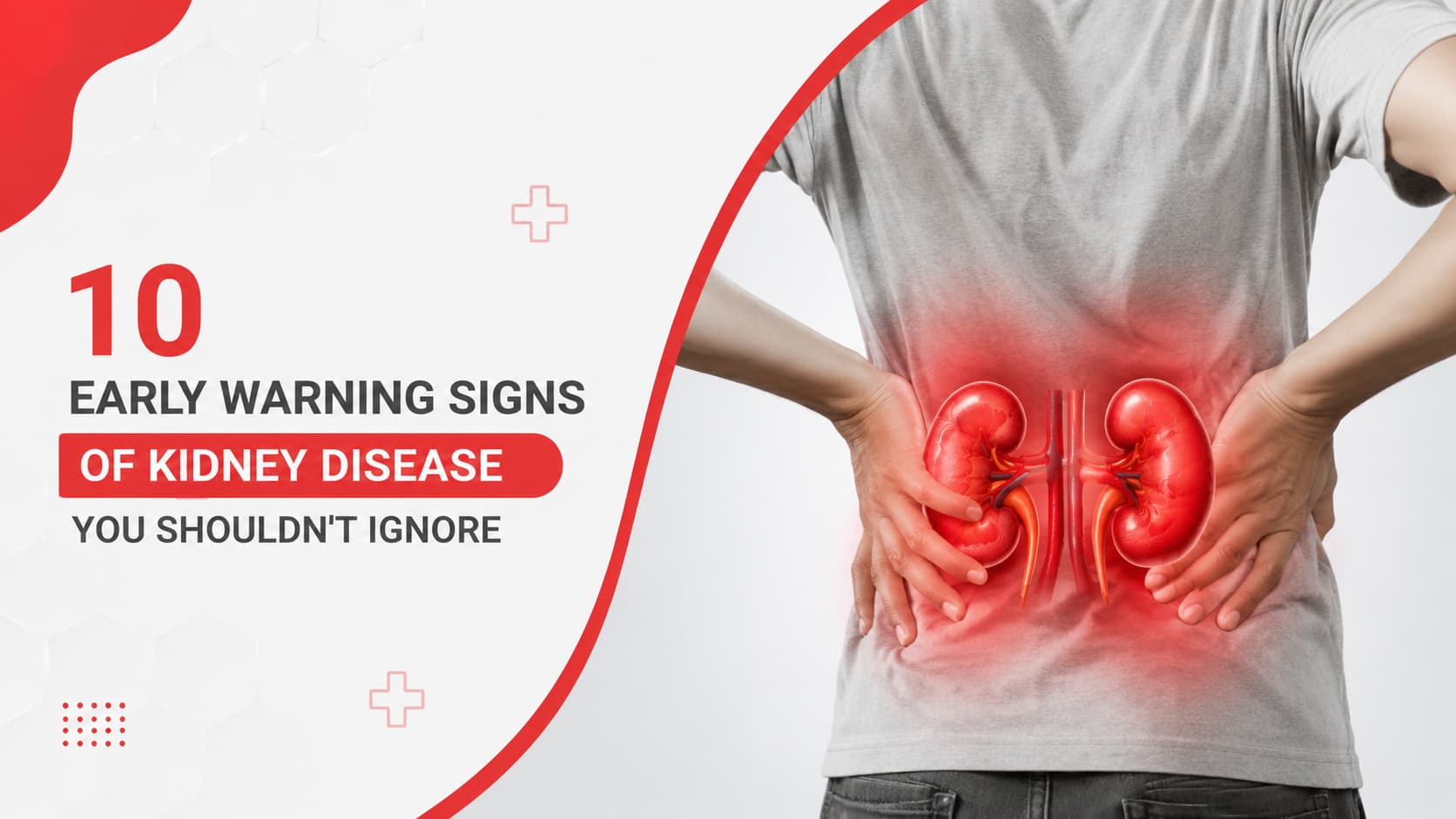
10 Early Warning Signs of Kidney Disease You Shouldn’t Ignore

Home  /  Blog   /  10 Early Warning Signs of Kidney Disease You Shouldn’t Ignore
10 Early Warning Signs of Kidney Disease You Shouldn't Ignore
Share At:
Google AI ChatGPT Grok Perplexity

Listen Article

The kidneys are among the most patient organs in the body. They keep working quietly, day and night, and rarely complain until the damage is well advanced. In more than two decades of treating kidney patients in Ahmedabad, I have seen far too many people arrive only after their kidney function has dropped sharply, simply because the early signs were brushed aside as tiredness, age or stress.

The truth is that the body does send signals. They are subtle, easy to miss, but very real. Recognising these early warning signs can be the difference between protecting your kidneys and losing them. Here are ten signs you should never ignore, along with what causes kidney disease, who is most at risk, and exactly when to act.

Need Assistance? Start a Chat on WhatsApp!
WhatsApp WhatsApp

Sign 1: Swelling in the Feet, Ankles and Face

When the kidneys cannot remove extra fluid and salt from the body, that fluid collects in the tissues. This shows up as puffiness around the feet, ankles, hands and especially the face and eyes, often more noticeable in the morning. Many people blame it on standing too long or eating salty food, but persistent swelling is one of the clearest early signs of reduced kidney function and deserves a check.

Sign 2: Unusual Tiredness and Low Energy

Healthy kidneys produce a hormone that helps make red blood cells, which carry oxygen through the body. When the kidneys are struggling, this hormone drops, leading to anaemia and a deep, constant tiredness. If you feel exhausted even after proper rest, or find everyday tasks suddenly draining, it is worth ruling out a kidney cause rather than assuming it is just overwork.

Sign 3: Changes in Urination Pattern

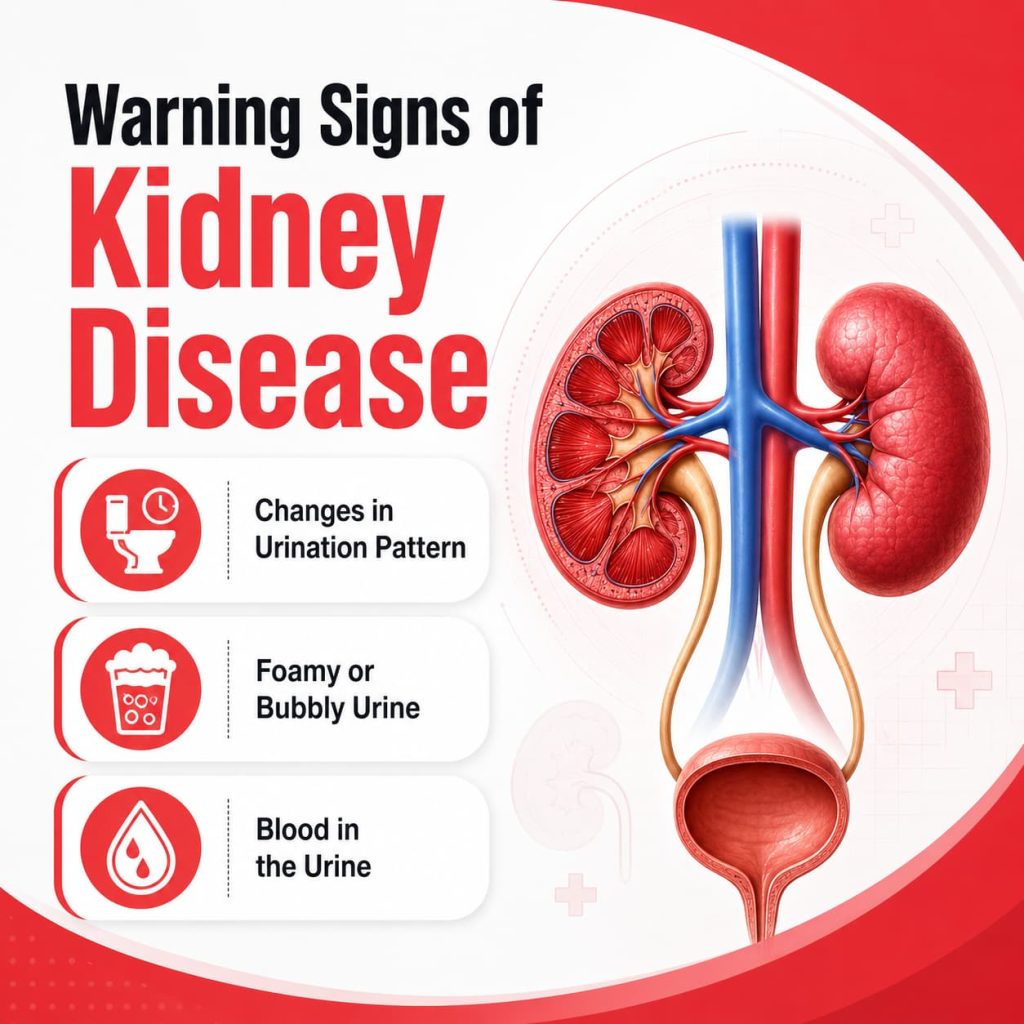
Since the kidneys make urine, any change in urination is an important clue. Watch for urinating more often at night, producing much more or much less urine than usual, difficulty passing urine, or a sense of urgency. These changes are easy to overlook but often point directly to a kidney issue.

Sign 4: Foamy or Bubbly Urine

Urine that looks foamy or bubbly, especially if it persists, can mean protein is leaking into it. Healthy kidneys keep protein in the blood, so its presence in urine is an early sign that the kidney’s filters are damaged. This is one of the earliest detectable signs and can appear long before you feel unwell.

Sign 5: Blood in the Urine

Urine that appears pink, red or tea coloured may contain blood. When the kidney’s filtering units are damaged, blood cells can leak into the urine. Blood in the urine should never be ignored, as it can signal kidney disease, infection or stones, and always needs prompt evaluation by a specialist.

Warning Signs of Kidney Disease

Sign 6: Persistent Puffiness Around the Eyes

Puffiness around the eyes that does not go away can be an early warning that the kidneys are leaking a large amount of protein into the urine. People often mistake this for lack of sleep or allergies, but when it is persistent and paired with other signs, it points towards the kidneys and should be assessed.

Sign 7: Dry, Itchy Skin

The kidneys keep the right balance of minerals and remove waste from the blood. When they fail to do this properly, waste builds up and can cause dry, persistently itchy skin that does not respond to moisturisers. While itchy skin has many causes, ongoing itching together with other symptoms can be a sign of declining kidney function.

Sign 8: Poor Appetite, Nausea or a Metallic Taste

As waste products build up in the blood, they can cause a loss of appetite, nausea, vomiting and a metallic taste in the mouth. Some patients also notice bad breath. These symptoms are often blamed on the stomach, but when they appear without a clear digestive cause, the kidneys are worth investigating.

Heart Care Services

Sign 9: High Blood Pressure That Is Hard to Control

The kidneys and blood pressure are closely linked. Damaged kidneys can cause blood pressure to rise, and high blood pressure in turn damages the kidneys further. If your blood pressure is suddenly difficult to control despite medication, it may be a sign that your kidneys are involved and need to be checked.

Sign 10: Muscle Cramps and Difficulty Concentrating

When the kidneys cannot balance minerals like calcium, phosphorus and potassium, you may experience frequent muscle cramps, especially in the legs. A build up of waste in the blood can also affect the brain, causing difficulty concentrating, poor focus or feeling mentally foggy. Together, these signs suggest the kidneys may need attention.

What Causes Kidney Disease?

Understanding why kidney disease develops helps you take it seriously when the early signs appear. The most common causes we see in Ahmedabad are:

  • Diabetes: the leading cause, as high blood sugar slowly damages the kidney’s filters.
  • High blood pressure: which harms the blood vessels supplying the kidneys.
  • Recurring kidney stones and infections: common in our hot climate and damaging over time.
  • Long term painkiller use: taken without medical advice, these can quietly injure the kidneys.
  • Inherited conditions: such as polycystic kidney disease that run in families.

Who Is Most at Risk?

Some people need to watch these warning signs more closely than others. You are at higher risk if you have diabetes, high blood pressure, a family history of kidney disease, are above the age of sixty, are overweight, or regularly take painkillers. If you belong to any of these groups, do not wait for symptoms. A simple blood and urine test once a year can detect kidney trouble long before you feel anything.

When Should You See a Nephrologist?

If you notice one or more of these warning signs, especially if they persist for more than a few days, it is time to consult a kidney specialist. You should act without delay if you have:

  • Swelling that does not go away
  • Blood in the urine or persistent foamy urine
  • Constant tiredness with no clear reason
  • Blood pressure that is hard to control
  • Nausea, poor appetite or a metallic taste

Early action is powerful. Detecting kidney disease in its early stages often means it can be slowed or controlled for many years, protecting your quality of life.

Need Help?
Call It’s Quick!

Expert Kidney Care at Dr. Jivraj Mehta Hospital

At Dr. Jivraj Mehta Hospital, our experienced nephrology team helps patients across Ahmedabad detect and manage kidney disease early. From simple diagnostic tests to advanced dialysis using state of the art machines, we offer complete kidney care under one roof, delivered with the compassion and personal attention every patient deserves. If any of these warning signs sound familiar, our specialists are here to help you understand what is happening and what to do next.

Onco Surgery & Treatment

Simple Ways to Protect Your Kidneys

Prevention is always easier than treatment. These everyday habits go a long way:

  • Drink enough water through the day, especially in summer.
  • Keep your blood sugar and blood pressure under control.
  • Eat less salt and fewer processed foods.
  • Avoid taking painkillers regularly without advice.
  • Stay active and maintain a healthy weight.
  • Get a yearly kidney check if you are at risk.

Frequently Asked Questions

Can kidney disease be detected before symptoms appear?

Yes. Simple blood and urine tests can detect kidney disease long before any symptoms show. This is why regular testing is so important for people at risk.

Are the early signs of kidney disease reversible?

If kidney disease is caught early, its progress can often be slowed or controlled for many years. Acute cases may even recover fully. The earlier it is found, the more can be done, which is why these warning signs should never be ignored.

Does swelling always mean kidney disease?

Not always, as swelling can have other causes. But persistent swelling in the feet, ankles or face, especially with other warning signs, is a common indicator of reduced kidney function and should be evaluated by a doctor.

How often should I get my kidneys tested?

If you have diabetes, high blood pressure, are above sixty or have a family history of kidney disease, get your kidneys tested at least once a year. Healthy individuals can include it in their routine yearly checkup.

Which doctor should I see for kidney problems in Ahmedabad?

You should consult a nephrologist, a doctor who specialises in kidney care. At Dr. Jivraj Mehta Hospital, our nephrology team handles everything from early diagnosis to advanced dialysis for patients across Ahmedabad.

<< 1 >>


Listen to the Early Signs and Act in Time

Your kidneys rarely shout for help, so the quiet signals they send matter a great deal. Swelling, tiredness, changes in urination or any of the signs above are your body’s way of asking for attention. Listening early can save your kidneys and your health.

If you or a loved one is noticing any of these warning signs, please do not wait. Early evaluation by a kidney specialist can make all the difference.

Appointments and Emergency: Call +91-79-26636363 to consult our nephrologists at Dr. Jivraj Mehta Hospital, Ahmedabad.