Breast Cancer Screening After 40: What Women Should Know About Mammography?
Home / Blog / Breast Cancer Screening After 40: What Women Should Know About Mammography?
October 12, 2026
Blog
Share At:
Listen Article
Breast Cancer Screening After 40: Key Facts About Mammography
Breast cancer screening helps identify breast abnormalities before symptoms appear. Women aged 40 and above should understand the role of mammography, an imaging test that uses low dose X rays to examine breast tissue. Depending on a woman’s age, medical history, family history and individual risk factors, a doctor may recommend regular screening or additional diagnostic tests. Breast sonography, also known as breast ultrasound, may help investigate a lump or an abnormality identified during mammography. Jivraj Healthcare in Ahmedabad offers mammography and advanced ultrasound facilities to support breast imaging and medical evaluation. Women should consult a qualified healthcare professional to determine which examination is appropriate for their needs.
Breast health is an important part of women’s healthcare, particularly as they grow older. Although breast cancer can develop at any age, the risk generally increases with age. Regular screening, awareness of breast changes and timely medical consultation can help women make informed decisions about their health.
Many women begin researching breast cancer screening after 40. Common questions include when to get a mammography test, how often screening is needed, whether sonography is also required and where to find breast imaging services in Ahmedabad.
Understanding these examinations can make the screening process less confusing. At Jivraj Healthcare, Ahmedabad, mammography and advanced ultrasound facilities are available to support the evaluation of breast health. Knowing how these tests work can help patients discuss their screening requirements with their healthcare providers.
What Is Breast Cancer Screening and Why Is It Important After 40?
Breast cancer screening involves examining the breasts for possible signs of cancer before noticeable symptoms develop. Screening is particularly valuable because some breast cancers may not cause a lump, pain or other obvious changes during their early stages.
Mammography is an established method of breast cancer screening. It can identify certain abnormalities, including small masses and changes in breast tissue that may require further investigation.
Screening does not prevent breast cancer from developing, nor can it detect every cancer. However, appropriate screening can help identify abnormalities earlier and support timely medical evaluation.
Women approaching or above 40 should discuss their screening needs with a doctor, especially if they have a family history of breast cancer or other risk factors.
What Is Mammography and How Does It Help Detect Breast Cancer?
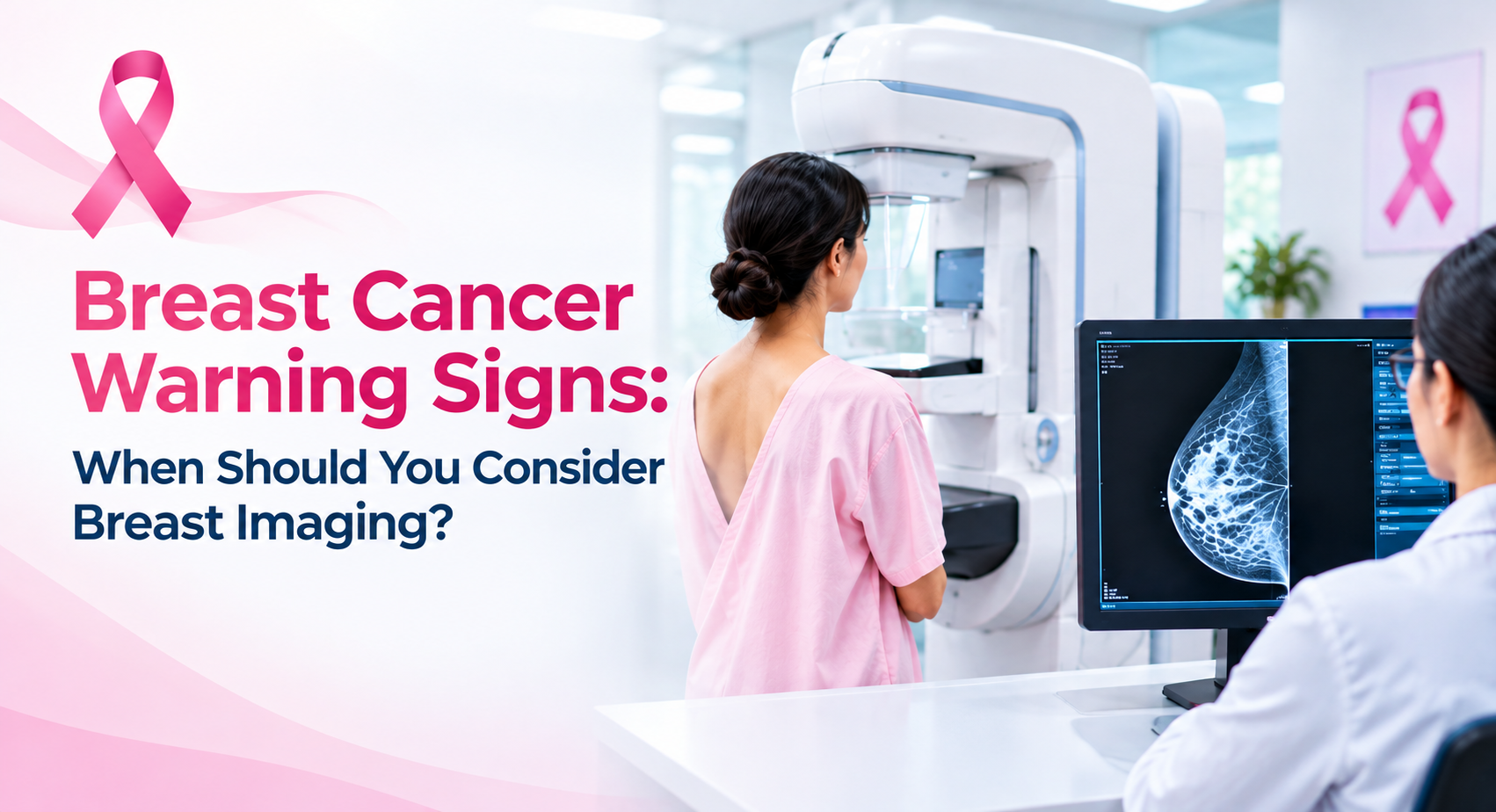
Mammography is a medical imaging examination that uses low dose X rays to produce detailed images of breast tissue. These images help radiologists identify changes that may not be noticeable during a physical examination.
A mammography test can help identify:
Small masses or lumps within breast tissue
Microcalcifications, which are tiny calcium deposits that sometimes require further assessment
Changes in breast tissue structure
Areas that may need additional imaging or investigation
There are two main purposes for mammography.
Screening mammography: This is performed in people without noticeable breast symptoms to look for possible abnormalities.
Diagnostic mammography: This is used to investigate symptoms, such as a new breast lump, or to examine an area that appeared unusual on a screening mammogram.
An abnormal mammogram does not automatically mean that a woman has breast cancer. Additional imaging, follow up examinations or a biopsy may be recommended depending on the findings.
At What Age Should Women Consider Mammography Screening?
The appropriate age to begin mammography screening depends on the screening guideline being followed and the individual’s medical history and risk profile.
Several international guidelines recommend that women at average risk discuss or begin screening from age 40. For example, the US Preventive Services Task Force recommends mammography every two years for women aged 40 to 74. The American Cancer Society offers different age based recommendations, including the option to begin annual screening at ages 40 to 44.
These recommendations differ, so women should discuss the appropriate screening schedule with their healthcare provider rather than assume that one interval suits everyone.
Women with a strong family history of breast cancer, inherited genetic risk or a previous breast condition may need an individual screening plan that differs from routine recommendations.
Important: Women who notice a breast lump or another unusual change should seek medical assessment without waiting until their next routine screening appointment.
There is no single screening schedule that is appropriate for every woman. The recommended interval depends on age, risk factors, medical history and the clinical guidance being followed.
For women at average risk, some guidelines recommend screening every two years from age 40, while others recommend annual mammography during certain age groups.
A doctor may recommend a different approach for women with an increased risk of breast cancer.
What Are the Risk Factors for Breast Cancer After 40?
Age is an important risk factor for breast cancer, but it is not the only consideration. Some women may have an increased risk because of their personal or family medical history.
Factors associated with an increased risk include:
Increasing age
A close family history of breast cancer
Certain inherited genetic changes, including BRCA1 and BRCA2 variants
A personal history of breast cancer or certain high risk breast lesions
Previous radiation treatment involving the chest at a young age
Certain hormonal and reproductive factors
Having one or more risk factors does not mean that breast cancer will necessarily develop. Similarly, women without known risk factors can also develop the disease.
A healthcare professional can assess individual risk and recommend an appropriate screening or diagnostic plan.
Can Women With No Breast Symptoms Benefit From Screening?
Yes. Screening mammography is specifically intended to look for abnormalities in women who do not have noticeable breast symptoms.
A breast cancer screening test may identify a change that cannot be felt during a self examination or clinical examination. This is one reason screening recommendations apply to eligible women even when their breasts appear and feel normal.
However, screening has limitations. Some results may require additional imaging even when cancer is not present, and some cancers may not be visible on a mammogram.
Women should also remain aware of changes in their breasts and consult a doctor if they notice something unusual, even after a recent normal screening result.
Mammography vs Sonography: Which Breast Imaging Test May Be Recommended?
Mammography and breast sonography are different imaging methods. They can serve complementary roles, but they are not interchangeable in every situation.
How Does Mammography Help Evaluate Breast Tissue?
Mammography uses low dose X rays to examine breast tissue. It is an established screening method for eligible women and can identify certain abnormalities, including microcalcifications and small masses.
When Is Breast Sonography Recommended?
Breast sonography, also called breast ultrasound, uses sound waves to create images of breast tissue. It may help evaluate a palpable lump, distinguish a fluid filled cyst from a solid mass, or investigate an area that needs further examination.
A doctor may recommend ultrasound in addition to mammography based on symptoms, breast density and imaging findings. Ultrasound may also be useful for evaluating certain breast abnormalities in younger women.
What Is Mammosonography?
Mammosonography (Mammography + Breast Ultrasound) refers to using mammography and breast ultrasound together when both examinations are considered appropriate. The two methods provide different information about breast tissue and may complement each other during the evaluation of certain abnormalities.
A doctor may recommend both tests based on a patient’s symptoms, age, breast density, medical history or mammography findings. However, mammosonography is not necessary for every woman and is not a universal replacement for routine screening mammography.
The appropriate imaging plan should be determined by a qualified healthcare professional according to the patient’s individual needs.
Understanding the mammography procedure can help patients feel more prepared.
During the examination, a trained radiography professional positions the breast on the mammography unit. The breast is briefly compressed between two plates to spread the tissue and obtain clear images.
The compression may cause temporary discomfort, but the level of discomfort varies from person to person. The examination generally takes only a short time, although the full appointment may take longer.
Before the test, inform the imaging team if you are pregnant, might be pregnant, are breastfeeding, or have breast implants. Tell them about any breast symptoms and previous imaging examinations.
If possible, avoid scheduling the test when your breasts are usually most tender. On the day of the examination, avoid applying deodorant, powder or lotion around the breasts and underarms because these products can sometimes interfere with image interpretation.
Follow the imaging centre’s instructions regarding preparation and previous reports.
What Do Mammography Results Mean and When Is Further Testing Needed?
After the examination, a radiologist reviews the images and prepares a report. Depending on the findings, the report may indicate that no suspicious abnormality was identified or that further assessment is required.
Additional evaluation may involve diagnostic mammography, breast sonography, follow up imaging or a biopsy.
A request for further testing does not automatically indicate cancer. Some abnormalities are benign, but appropriate investigation is important to understand their nature.
Women should discuss their reports with their treating doctor and follow the recommended next steps. A normal mammogram also does not rule out every possible breast cancer, so persistent or new symptoms should still be medically evaluated.
When Should You Consider a Breast Onco Surgeon Consultation?
Women who notice a new breast lump, unusual nipple discharge, changes in breast shape, skin dimpling or other persistent breast changes should seek medical assessment.
A Breast Onco Surgeon Consultation may be appropriate when a patient requires specialist evaluation of a suspected or confirmed breast condition. A breast oncology surgeon can assess clinical findings, review mammography and sonography reports, evaluate biopsy results and discuss possible treatment options when necessary.
An abnormal mammogram or ultrasound result does not automatically mean that a patient has breast cancer. Further assessment helps determine whether a finding is benign or requires additional investigation.
Patients should follow their treating doctor’s recommendations regarding specialist consultation, diagnostic testing and further care.
Mammography, Mammosonography and Breast Onco Surgeon Consultation at Jivraj Healthcare, Ahmedabad
Women looking for a mammography test in Ahmedabad can enquire about the diagnostic imaging facilities available at Jivraj Healthcare.
The hospital’s Advanced Imaging Centre features Full Field Digital Mammography and advanced ultrasound technology. These facilities support breast imaging and the evaluation of abnormalities that may require further medical assessment.
Depending on individual clinical needs, a doctor may recommend mammography, breast sonography or mammosonography (mammography + breast ultrasound). Patients who require further evaluation may also need a Breast Onco Surgeon Consultation or additional diagnostic investigations.
The appropriate examination and specialist referral depend on the patient’s symptoms, clinical assessment and imaging findings.
Appropriate breast cancer screening after 40 can help women make informed decisions about their health. Mammography can help identify certain breast abnormalities before symptoms appear, while sonography may provide additional information when a lump or another finding needs investigation.
Mammosonography, which combines mammography and breast ultrasound when clinically indicated, may help provide complementary information about certain breast abnormalities. A Breast Onco Surgeon Consultation may be recommended when specialist assessment is required.
The right screening schedule depends on age, individual risk and applicable clinical recommendations. Women should not delay medical assessment if they notice a new breast lump, nipple changes, skin dimpling or another unusual symptom.
Jivraj Healthcare in Ahmedabad offers Full Field Digital Mammography and advanced ultrasound facilities to support breast imaging. Women can contact the hospital to enquire about available examinations, specialist consultations and appropriate next steps with a qualified healthcare professional.
Frequently Asked Questions About Breast Cancer Screening
Is mammography recommended for every woman after 40?
Screening mammography is recommended or offered to many women from age 40, depending on the applicable guideline and individual circumstances. Women should discuss the benefits, limitations and appropriate frequency with their healthcare provider.
How often should a woman over 40 get a mammogram?
The interval varies by guideline and individual risk. Some recommendations advise mammography every two years from age 40, while others recommend annual screening during certain age groups. A doctor can help determine an appropriate schedule.
Is mammography painful?
Mammography involves temporary breast compression, which may cause discomfort. The experience varies between individuals, and the compression is brief.
Can sonography replace mammography for breast cancer screening?
No. Breast sonography is not a universal replacement for screening mammography. Ultrasound may help evaluate breast lumps and other abnormalities or complement mammography when clinically indicated.
What is mammosonography?
Mammosonography (Mammography + Breast Ultrasound) refers to using both imaging examinations when clinically appropriate. A doctor determines whether one or both tests are needed based on the patient's symptoms, risk factors and clinical findings.
Does an abnormal mammogram always mean breast cancer?
No. An abnormal finding may be benign or may require further investigation. A doctor may recommend additional imaging or a biopsy to establish the diagnosis.
Where can I get a mammography test in Ahmedabad?
Jivraj Healthcare in Ahmedabad offers Full Field Digital Mammography and advanced ultrasound facilities. Patients can visit the hospital or call to enquire about available services and appointments. Patients can also enquire about a Breast Onco Surgeon Consultation.










 Call Us Now!