
Table of Contents
ToggleExpert Bypass Surgery in Ahmedabad
This article aims to provide a comprehensive guide on bypass surgery in Ahmedabad, covering essential aspects such as the signs you need it, the surgical procedure, and the recovery process. We will also highlight why Ahmedabad is a leading destination for bypass surgery and explore the advanced medical facilities available, with a focus on Dr. Jivraj Mehta Hospital. By the end of this article, you will have a clear understanding of when bypass surgery is needed, what the surgery entails, and how to navigate the recovery process for optimal health.
What is Bypass Surgery?
Bypass surgery, or Coronary Artery Bypass Grafting (CABG), is a surgical procedure used to treat coronary artery disease (CAD). CAD occurs when the coronary arteries, which supply blood to the heart, become narrowed or blocked due to plaque buildup. This can restrict blood flow to the heart, leading to chest pain, shortness of breath, or even a heart attack.
The goal of bypass surgery is to restore proper blood flow to the heart by creating new routes (or bypasses) around the blocked arteries. This is typically done by using blood vessels taken from other parts of the body, such as the chest, legs, or arms. The newly grafted vessels bypass the blocked arteries, allowing blood to flow freely to the heart muscles.
Signs You May Need a Bypass Surgery
Many people with coronary artery disease do not experience any symptoms, especially in the early stages. However, as the disease progresses, signs may begin to appear, indicating the need for surgical intervention. These signs include:
- Chest Pain (Angina): One of the most common signs of coronary artery disease, chest pain or angina, occurs when the heart does not get enough blood. The pain may be felt in the chest, arms, neck, or jaw, and it is often triggered by physical exertion or emotional stress.
- Shortness of Breath: As the heart struggles to pump blood effectively, you may experience difficulty breathing, even with mild physical activity.
- Fatigue: Persistent tiredness or fatigue is another common symptom that can indicate reduced blood flow to the heart.
- Dizziness or Lightheadedness: Reduced blood flow can also affect your brain, leading to dizziness or fainting.
- Heart Attack: If you experience intense chest pain, shortness of breath, and nausea, you may be having a heart attack, a medical emergency that may require bypass surgery if there is significant damage to the coronary arteries.
If you experience any of these symptoms, it’s important to seek medical attention immediately. A healthcare professional may recommend tests like angiography, a stress test, or CT scans to evaluate the extent of the blockage and determine if bypass surgery is necessary.
Why is Bypass Surgery Performed?
Bypass surgery is typically recommended when other treatments, such as medications or lifestyle changes, are no longer effective in controlling the symptoms of coronary artery disease. The primary goal of bypass surgery is to:
- Improve blood flow to the heart: By bypassing the blocked coronary arteries, the heart receives oxygen-rich blood, improving its function.
- Alleviate symptoms: By restoring proper blood flow, bypass surgery can significantly reduce or eliminate symptoms such as chest pain and shortness of breath.
- Prevent heart attack: Bypass surgery can reduce the risk of a heart attack, especially in patients with severe blockages in multiple coronary arteries.
Enhance quality of life: By improving heart function and reducing symptoms, bypass surgery can allow patients to return to a more active and fulfilling life.
Bypass Surgery Types
While Coronary Artery Bypass Grafting (CABG) surgery is the most common type of bypass surgery, there are different variations of the procedure based on the patient’s needs and the severity of the coronary artery disease:
- Traditional Open-Heart Bypass Surgery: This is the most common type of bypass surgery, where the chest is opened to access the heart. The surgeon will then graft healthy blood vessels to bypass the blocked arteries.
- Minimally Invasive Bypass Surgery: In some cases, a minimally invasive technique may be used, where smaller incisions are made. This type of surgery may involve robotic assistance and results in a quicker recovery and less pain.
- Off-Pump Bypass Surgery: This technique involves performing the surgery while the heart is still beating, without the use of a heart-lung machine.
The type of surgery recommended depends on the patient’s condition, including the number and location of blockages, as well as the overall health of the patient.
When to Seek a Cardiologist for Bypass Surgery?
It is crucial to seek immediate medical attention if you experience symptoms like persistent chest pain, shortness of breath, or fatigue, as these could indicate a serious problem with your heart. A cardiologist will perform tests such as angiograms, blood tests, and electrocardiograms (ECG) to determine the severity of the blockages and whether bypass surgery is required.
If diagnosed with coronary artery disease and recommended for bypass surgery, choosing an experienced cardiovascular surgeon is essential. The right surgeon will ensure the best possible outcome and guide you through every step of the process.
Testimonial
“I am truly thankful to jivraj mehta team who indeed saved me during my critical time. The jivraj team they are the brilliant and the services of hospital are tremendously good . I was admitted in general ward for illnesses ward experience is excellent”
What to Expect Before Bypass Surgery (Coronary Artery Bypass Surgery)?
Before undergoing bypass surgery treatment, there are several steps to prepare for the procedure:
- Consultation and Tests: Your cardiologist will discuss your symptoms, medical history, and perform diagnostic tests. Tests like an angiogram, which involves injecting a dye into the coronary arteries to identify blockages, may be required to confirm the need for surgery.
- Pre-Surgery Instructions: Your surgeon will provide instructions on how to prepare for surgery. This may include fasting for several hours before the procedure, stopping certain medications, and avoiding smoking or alcohol.
Anesthesia: Bypass surgery is performed under general anesthesia, meaning you will be asleep during the procedure.
What to Expect During the Coronary Artery Bypass Surgery?
Bypass surgery treatment typically takes 3 to 6 hours, depending on the complexity of the procedure. During the surgery:
- An incision is made down the middle of the chest to access the heart.
- The surgeon will then remove a healthy blood vessel from another part of the body, such as the leg, chest, or arm, and use it to bypass the blocked artery.
In some cases, a heart-lung machine is used to take over the function of the heart and lungs during surgery.
Our Other Specialties
Advanced Cardiac CareRecovery after Bypass Operation
The recovery process after bypass surgery treatment can take time, but the benefits are often life-changing. Here’s what to expect during the recovery process:
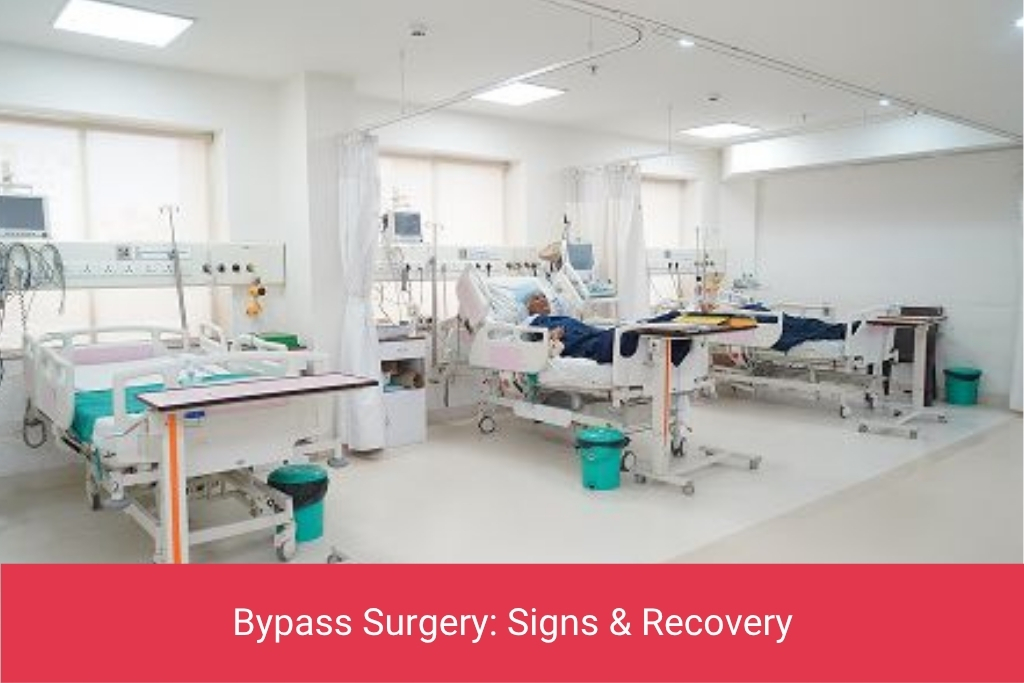
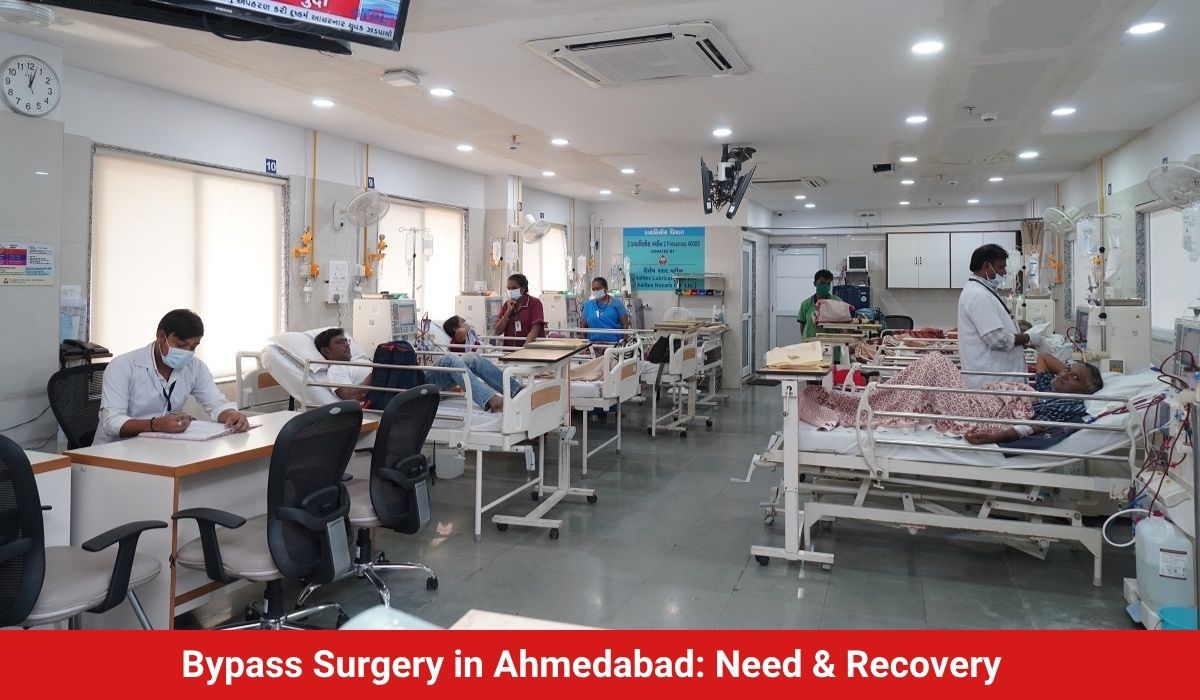
- Immediate Recovery: After surgery, you will spend several days in the intensive care unit (ICU) for monitoring. This includes pain management, observation for any complications, and ensuring proper heart function.
- Hospital Stay: Most patients remain in the hospital for 5 to 7 days, depending on their recovery progress. Physical therapy may begin early to help you regain strength and mobility.
- Post-Surgery Care: Once discharged, you will need to follow a specific set of instructions for your recovery, including medication management, wound care, and activity restrictions. You will be advised to avoid strenuous activity for several weeks.
Lifestyle Changes: Adopting a heart-healthy lifestyle is essential for long-term recovery. This includes eating a balanced diet, exercising regularly, managing stress, and avoiding smoking or excessive alcohol consumption.
Post Bypass Surgery Operation: Long-Term Outlook
Bypass surgery has a high success rate and is known to significantly improve a patient’s quality of life. Most patients can return to normal activities within 6 to 12 weeks, though regular follow-up appointments are necessary to monitor heart health. It’s important to continue a heart-healthy lifestyle and stay on top of prescribed medications to ensure long-term success.
Bypass Surgery Operation in Ahmedabad at Dr. Jivraj Mehta Hospital: Expert Health & Chest Surgery Solutions
Bypass surgery is a critical procedure for individuals suffering from coronary artery disease, and Ahmedabad is one of the top cities in India to receive high-quality care for heart conditions. Dr. Jivraj Mehta Hospital, known for its expert cardiovascular surgeons and state-of-the-art facilities, offers a comprehensive approach to heart health. With advanced techniques, experienced medical professionals, and a patient-first approach, Dr. Jivraj Mehta Hospital is an excellent choice for anyone needing bypass surgery (health & chest surgery solutions). The hospital ensures that patients receive not only expert care during surgery but also continuous support throughout their recovery journey.
By choosing Dr. Jivraj Mehta Hospital in Ahmedabad, patients can trust that they are in good hands, with a team dedicated to improving their heart health and quality of life. Whether you are preparing for bypass surgery or seeking consultation for heart-related concerns, the hospital provides the care, expertise, and technology needed for a successful recovery.
Bypass Operation in Ahmedabad: FAQs
What are the signs that I may need bypass surgery?
Signs such as chest pain (angina), shortness of breath, fatigue, dizziness, or heart attack symptoms may indicate the need for bypass surgery.
How long does it take to recover from bypass surgery?
Recovery from bypass surgery typically takes 6 to 12 weeks, depending on the patient's overall health and adherence to post-surgery care instructions.
How long does bypass surgery take to perform?
Bypass surgery typically takes between 3 to 6 hours. The length of the surgery depends on the complexity of the procedure, such as the number of bypasses needed and the patient’s overall health.
Is bypass surgery safe?
Bypass surgery is generally very safe, with a high success rate. However, like any major surgery, it carries some risks, including infection, bleeding, and complications related to anesthesia.
How soon can I return to work after bypass surgery?
Most patients can return to work within 6 to 12 weeks after bypass surgery, depending on the nature of their job and recovery progress.
What is the success rate of bypass surgery?
Bypass surgery generally has a high success rate, with many patients experiencing significant improvements in heart function and a reduced risk of future heart attacks. Success rates vary based on individual health conditions, but overall, the procedure is considered highly effective in relieving symptoms of coronary artery disease.
Can bypass surgery be performed on elderly patients?
Yes, bypass surgery can be performed on elderly patients, although the decision depends on their overall health, the extent of coronary artery disease, and any other pre-existing medical conditions. Elderly patients may require additional assessments and precautions, but many older individuals successfully undergo the surgery and experience improved quality of life.
Will I be able to exercise after bypass surgery?
Yes, you can resume exercise after bypass surgery, but it’s important to follow your surgeon’s guidelines. Typically, patients can start light walking within a few days of surgery, and over time, can gradually return to more strenuous activities like cardiovascular exercises. A cardiac rehabilitation program may also be recommended to help strengthen the heart.
What lifestyle changes are required after bypass surgery?
After bypass surgery, patients are advised to adopt a heart-healthy lifestyle. This includes maintaining a balanced diet, regular exercise, stress management, and avoiding smoking and excessive alcohol consumption. Regular follow-up visits with your doctor are essential to monitor heart health and adjust medications if necessary.
Are there alternatives to bypass surgery?
For some patients, alternative treatments may be considered, such as angioplasty or the placement of a stent to open up blocked arteries. However, in cases where multiple blockages are present or when angioplasty is not suitable, bypass surgery may be the best option for restoring blood flow to the heart.
Can bypass surgery prevent future heart problems?
While bypass surgery helps relieve symptoms and improves blood flow, it does not cure coronary artery disease or stop the progression of the disease. However, it can reduce the risk of a heart attack and provide long-term relief from heart-related symptoms if combined with lifestyle changes and proper medical management.
Why should I choose bypass surgery in Ahmedabad?
Ahmedabad offers advanced healthcare facilities and skilled cardiovascular surgeons, making it an excellent choice for bypass surgery. Dr. Jivraj Mehta Hospital provides high-quality care with modern technology and expert surgeons to ensure a successful procedure and recovery.