
Blog

Title Image

Frequently Asked Questions on Nephrology: Kidney Health Answered by Ahmedabad Specialists

Home  /  Blog   /  Frequently Asked Questions on Nephrology: Kidney Health Answered by Ahmedabad Specialists
Frequently Asked Questions on Nephrology Kidney Health Answered by Ahmedabad Specialists
Share At:
Google AI ChatGPT Grok Perplexity

Listen Article

Kidney problems raise a lot of questions, and most patients in Ahmedabad come to us feeling worried and unsure about what is happening inside their body. After more than two decades of treating kidney patients, I have heard the same questions again and again. This guide brings together the most common questions about kidney health, nephrology and dialysis, with clear and honest answers in simple language.

Whether you are newly diagnosed, caring for a family member, or simply want to protect your kidneys, these answers will help you understand your condition and make confident decisions. For any personal concern, our nephrology team at Dr. Jivraj Mehta Hospital is always available to guide you.

Understanding the Kidneys and Nephrology

Before discussing disease and treatment, it helps to understand what the kidneys do and what a nephrologist actually treats. These basics make everything else easier to follow.

What does a nephrologist do?

A nephrologist is a doctor who specialises in kidney health. We diagnose and treat conditions such as chronic kidney disease, kidney failure, high blood pressure related to the kidneys, and electrolyte imbalances. Unlike a urologist, a nephrologist treats the kidney medically rather than through surgery, focusing on protecting and preserving kidney function for as long as possible.

What is the main job of the kidneys?

Your kidneys filter waste and extra fluid from the blood, which then leaves the body as urine. They also balance salts and minerals, help control blood pressure, support red blood cell production and keep your bones healthy. When the kidneys are damaged, these functions are affected and waste begins to build up in the body.

What is the difference between nephrology and urology?

Both deal with the kidney, but in different ways. Nephrology is the medical care of the kidneys and focuses on function, disease and dialysis. Urology is mainly surgical and covers the whole urinary tract, including the bladder and prostate. For a kidney stone, for example, a nephrologist looks at why it formed and how to protect kidney function, while a urologist may remove it surgically.

Need Help?
Call It’s Quick!

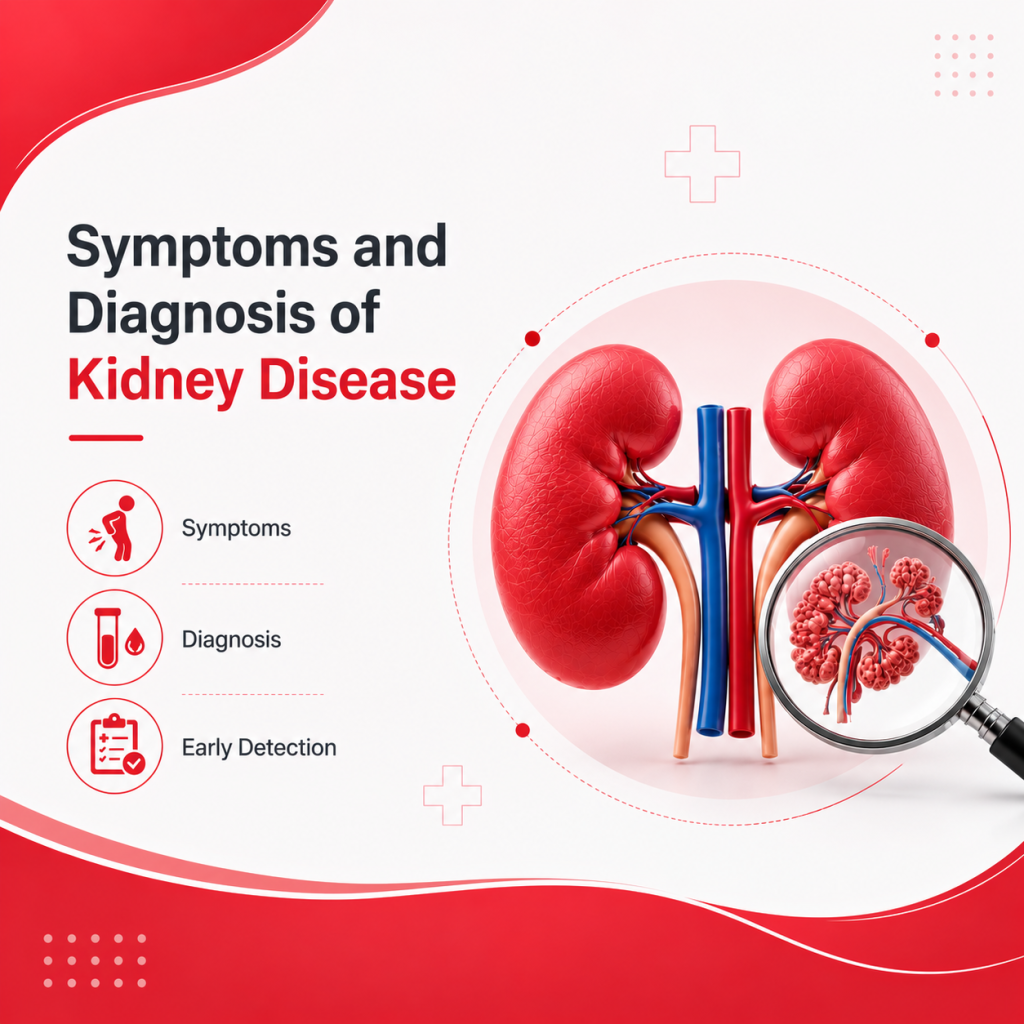
Symptoms and Diagnosis of Kidney Disease

One of the biggest challenges with kidney disease is that it stays silent for a long time. These questions help you recognise the warning signs and understand how kidney problems are detected.

What are the early warning signs of kidney disease?

Early kidney disease often has no clear symptoms. As it advances, you may notice swelling in the feet, ankles or face, unusual tiredness, poor appetite, changes in urination, foamy urine or blood in the urine. Because these signs appear late, anyone at risk should get tested regularly rather than wait for symptoms.

How is kidney disease diagnosed?

Kidney disease is diagnosed mainly through simple blood and urine tests. A blood test measures creatinine and eGFR, which show how well the kidneys are filtering. A urine test checks for protein and blood. If needed, we may also advise an ultrasound, a renal biopsy or angiography for a clearer picture. These tests are quick, affordable and can detect problems very early.

Symptoms and Diagnosis of Kidney Disease

Can I have kidney disease without any symptoms?

Yes, and this is the most important thing to understand. Kidney disease is often called a silent condition because the kidneys can lose a large part of their function before you feel anything. This is why people with diabetes, high blood pressure or a family history of kidney disease should get tested every year, even when they feel perfectly healthy.

Causes and Risk Factors

Many people want to know why kidney disease happens and whether they are at risk. Understanding the causes helps you take the right preventive steps early.

What are the most common causes of kidney disease?

The two leading causes are diabetes and high blood pressure. Over time, both damage the tiny filters inside the kidneys. Other causes include long term use of certain painkillers, recurring infections, kidney stones, and inherited conditions such as polycystic kidney disease. Controlling diabetes and blood pressure well is the single most effective way to protect your kidneys.

Who is at higher risk of kidney problems?

You are at higher risk if you have diabetes, high blood pressure, a family history of kidney disease, are above sixty, are overweight, or regularly take painkillers without advice. If you fall into any of these groups, a yearly kidney check is strongly recommended.

Does drinking less water cause kidney damage?

Not drinking enough water, especially in Ahmedabad’s hot climate, raises the risk of dehydration and kidney stones. While occasional low intake is not harmful, repeated dehydration can strain the kidneys over time. Drinking enough water to keep your urine pale and clear is a simple, effective habit for kidney health.

Gastroenterology Services

Treatment, Dialysis and Living with Kidney Disease

Once kidney disease is diagnosed, patients naturally want to know what treatment looks like and whether normal life is still possible. These answers cover the most common concerns about treatment and dialysis.

Can kidney disease be cured?

It depends on the type. Acute Kidney Injury, which comes on suddenly, can often recover fully with prompt treatment. Chronic Kidney Disease cannot be reversed, but its progression can be slowed significantly, sometimes for many years, with the right care. Controlling diabetes and blood pressure, adjusting diet and following your nephrologist’s advice make a real difference.

What is dialysis and when is it needed?

Dialysis is a treatment that does the work of the kidneys when they can no longer filter the blood on their own. It removes waste and excess fluid from the body. It becomes necessary when kidney function falls to a very low level, usually in advanced kidney failure. Dialysis is safe, well established and allows patients to continue living active lives.

What types of dialysis are available?

There are two main types. Hemodialysis uses a machine to filter the blood, usually at a dialysis centre. Peritoneal dialysis can often be done at home and gives more flexibility. The right choice depends on your health, lifestyle and preference.

  • Hemodialysis: performed using advanced machines at our centre, with a dedicated water purification system for safety.
  • Peritoneal dialysis (CAPD and APD): a gentler, home based option for suitable patients.
  • CRRT: a continuous, gentle form of dialysis for critically ill patients in intensive care.

Can I live a normal life on dialysis?

Yes. Many of our patients work, travel and spend time with family while on dialysis. It does require a routine and some lifestyle adjustments, but with good support and regular care, most people maintain a good quality of life. Our team guides each patient and family through every step so they feel confident and supported.

Is a kidney transplant better than dialysis?

For suitable patients, a kidney transplant can offer a better quality of life and greater freedom than long term dialysis. However, not everyone is a candidate, and the decision depends on overall health and other factors. Dialysis remains an excellent and reliable treatment, and many patients do very well on it for years.

Protecting and Maintaining Kidney Health

The good news is that many kidney problems can be prevented or delayed with simple daily habits. These final questions focus on keeping your kidneys healthy for the long term.

How can I keep my kidneys healthy?

Protecting your kidneys is mostly about everyday habits.

  • Drink enough water through the day.
  • Keep blood sugar and blood pressure under control.
  • Eat less salt and fewer processed foods.
  • Avoid regular use of painkillers without advice.
  • Stay active and maintain a healthy weight.
  • Get a yearly kidney check if you are at risk.

How often should I get my kidneys checked?

If you are healthy with no risk factors, a kidney check during your routine yearly health checkup is enough. If you have diabetes, high blood pressure, are above sixty or have a family history of kidney disease, you should have your kidney function tested at least once a year, and more often if your doctor advises. Early detection is always the best protection.

When should I see a nephrologist in Ahmedabad?

You should consult a nephrologist if you have swelling, blood in the urine, hard to control blood pressure, recurring stones or infections, or if you have diabetes or a family history of kidney disease. Early consultation helps detect problems before they become serious. At Dr. Jivraj Mehta Hospital, our nephrology team handles both routine evaluation and urgent kidney concerns.

Need Assistance? Start a Chat on WhatsApp!
WhatsApp WhatsApp

Get Expert Kidney Care in Ahmedabad

Understanding your kidneys is the first step towards protecting them. If you still have questions, or if you or a loved one is showing any warning signs, please do not wait. Early advice from a kidney specialist can prevent small problems from becoming serious ones.

At Dr. Jivraj Mehta Hospital, our experienced nephrology and dialysis team is committed to providing trusted, compassionate kidney care for the people of Ahmedabad, from early diagnosis to advanced dialysis.

Appointments and Emergency: Call +91-79-26636363 to consult our kidney specialists at Dr. Jivraj Mehta Hospital, Ahmedabad.