


Best Gynecology Hospital in Ahmedabad: Menstrual Disorders and Fibroids in Women-Causes, Symptoms and Laparoscopic Treatment Options




Listening Article
Gynecology Care for Menstrual Disorders & Fibroids in Ahmedabad
This article aims to help women understand menstrual disorders and uterine fibroids by explaining their common causes, typical symptoms, diagnosis approach and laparoscopic treatment options – so you know when to seek specialist care and what to expect from modern Gynecology support.
When women experience changes in periods – such as irregular cycles, unusually heavy flow, persistent cramps or bleeding between periods – it can affect energy, confidence, work and overall wellbeing. In many cases, these symptoms are linked to treatable menstrual disorders or conditions such as fibroids. The right clinical evaluation and timely care can reduce discomfort, prevent complications and restore quality of life. Choosing Dr. Jivraj Mehta Hospital, as a Best Gynec Hospital in Ahmedabad for consultation can be especially valuable when symptoms persist or begin to interfere with daily routines, because advanced diagnostic support and minimal invasive treatment options are typically available under one roof.
Gynecology Services That Support Complete Women’s Health Care
Modern Gynecology Services are designed to address both routine needs and complex concerns across different life stages. From preventive check-ups and screening guidance to emergency gynec care and surgical management, the goal is to provide safe, timely and personalized care. In a well-equipped setup, women benefit from coordinated consultation, imaging support and surgical expertise – especially when conditions like fibroids or persistent menstrual issues require deeper evaluation. Many women actively look for Gynecologists in Ahmedabad who can offer both conservative management and advanced laparoscopic procedures when needed, ensuring a smooth transition from diagnosis to treatment.
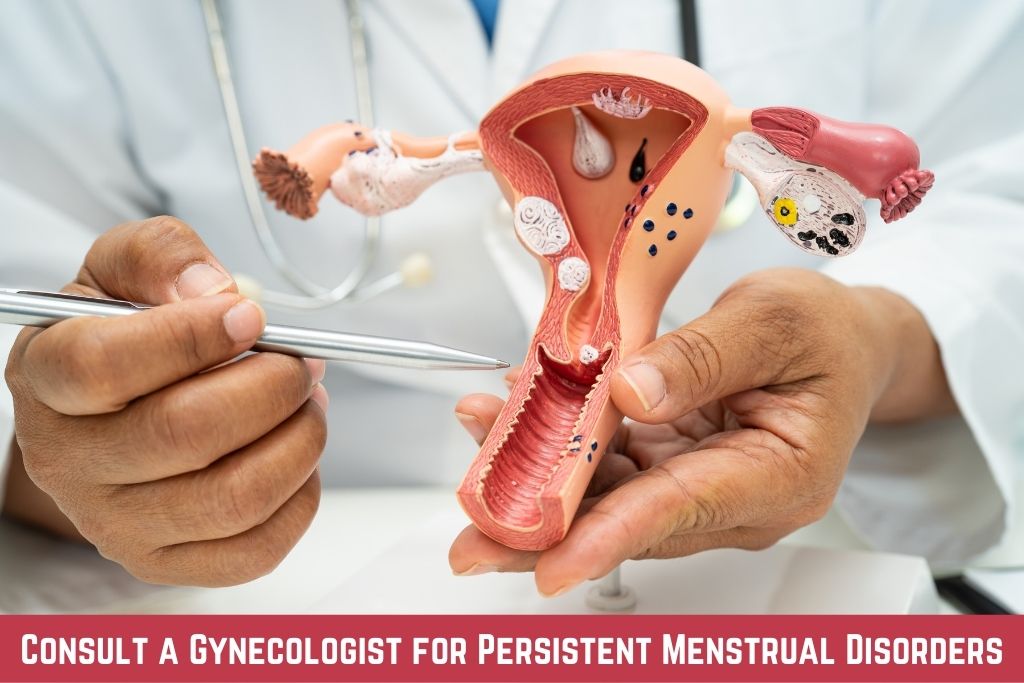
Consult a Gynecologist For Menstrual Disorders That Don’t Feel “Normal”
A menstrual disorder is not just a bad period. It can include irregular timing, unusually heavy bleeding, prolonged bleeding, frequent spotting, severe pain or symptoms that repeat in patterns and affect lifestyle. While occasional changes can occur due to stress, travel or routine hormonal shifts, persistent changes should not be ignored.
Common contributors include hormonal imbalance, thyroid concerns, stress-related cycle disruption, polycystic ovarian changes, uterine fibroids, adenomyosis, endometrial concerns and pelvic infections. A qualified Gynecologist helps identify whether the problem is functional (hormone-related) or structural (uterus/ovary-related), because the treatment approach differs significantly.
Seek Gynecology Evaluation for Heavy Bleeding and Persistent Pelvic Discomfort
Many women normalize heavy bleeding for years, managing with frequent pad changes, reduced activity or pushing through pain. But heavy bleeding can gradually lead to fatigue, weakness and reduced stamina and it may signal an underlying cause that deserves attention. Persistent pelvic heaviness, lower abdominal pressure, bloating-like discomfort or pain during periods may also indicate structural issues like fibroids.
At this stage, an early consultation with Female Gynecologists at Dr. Jivraj Mehta Health Care, can help you avoid prolonged discomfort and repeated trial-and-error remedies. A structured evaluation focuses on the pattern of symptoms, relevant medical history and targeted investigations rather than guesswork.
Visit Gynaecologists in Ahmedabad to Understand Uterine Fibroids Clearly
Fibroids are non-cancerous growths arising from the muscular layer of the uterus. They vary in size and location and may or may not cause symptoms. For some women, fibroids remain silent and are discovered during routine scans. For others, they cause troublesome symptoms that affect routine life.
Fibroid-related symptoms often depend on where the fibroid sits – inside the uterine cavity, within the uterine wall or on the outer surface. Fibroids can contribute to heavy bleeding, prolonged periods, pressure in the lower abdomen, frequent urination, constipation, painful periods, pelvic discomfort and fertility challenges in some cases. Understanding this location-based behavior is important because it also influences treatment decisions, including whether laparoscopic approaches are suitable.

Consult A Female Gynecologist in Ahmedabad for A Comfortable, Confidential Approach
For many women, discussing menstrual problems, pelvic pain or fertility concerns can feel personal and sensitive. Consulting a Female Gynecologist in Ahmedabad often helps patients feel more comfortable, open and confident during evaluation. Comfort matters – because accurate diagnosis depends on honest symptom sharing, clarity about cycle patterns and a calm examination process.
If you’re specifically searching for the Best Gynecologist in Ahmedabad, Dr. Jivraj Mehta Hospital offers clear explanations, respectful communication, privacy and a step-by-step plan – from diagnosis to recovery – especially if laparoscopy is being considered.
Seek Gynecology-Led Diagnosis with the Right Tests and Clinical Reasoning
Diagnosing menstrual disorders and fibroids typically involves a thoughtful clinical process. A consultation often includes cycle history, bleeding pattern assessment, pain mapping, medication review and evaluation of factors such as stress, recent changes and family history. Based on clinical need, your care team may recommend pelvic imaging, lab tests to understand hormonal or metabolic contributors and screening tests as appropriate for your age and symptoms.
A strong diagnosis is not just about finding fibroids. It is about understanding whether fibroids are the main cause of symptoms or part of a broader picture – such as coexisting hormonal imbalance, endometrial issues or ovarian concerns.
Consult Gynecology Specialists for Treatment Planning That Starts With Conservative Care
Not every menstrual disorder or fibroid requires surgery. Many women benefit from stepwise management – starting with symptom relief, cycle regulation, anemia management where relevant and lifestyle guidance that supports hormonal balance and wellbeing. Treatment may involve medical therapy, targeted supportive care and follow-ups to assess response.
For fibroids, the decision to treat depends on symptoms, size and location, impact on daily life and future pregnancy plans. In many cases, careful monitoring and non-surgical approaches are appropriate. But when symptoms are persistent, quality of life is affected or fertility goals are impacted, procedural or surgical options may be advised.
Seek Laparoscopic Treatment Options for Minimal Invasive Fibroid and Uterus-Related Care
Laparoscopy is a minimal invasive surgical technique performed through small incisions, using a camera-guided system to visualize and treat pelvic conditions. In fibroid management and selected uterine surgeries, laparoscopic approaches can offer benefits such as smaller scars, reduced post-operative discomfort, quicker return to routine and shorter recovery compared to traditional open surgery – when clinically suitable.
Laparoscopic options may be considered for:
- Symptomatic fibroids requiring removal while preserving the uterus
- Fibroids that significantly contribute to heavy bleeding or pelvic pressure
- Certain hysterectomy pathways when uterine removal is recommended for long-standing symptoms
- Ovarian cyst-related concerns in appropriate scenarios
- Diagnostic evaluation when symptoms are unclear and imaging needs correlation
Your Gynaecology team typically evaluates factors such as fibroid location, surgical feasibility, prior surgical history and overall health to decide whether laparoscopy is appropriate and safe.
Testimonial
“I am truly thankful to jivraj mehta team who indeed saved me during my critical time. The jivraj team they are the brilliant and the services of hospital are tremendously good . I was admitted in general ward for illnesses ward experience is excellent”
Consult Gynaecologists in Ahmedabad for Laparoscopic Guidance When Recommended
In some cases, hysterectomy may be suggested for women with persistent symptoms that do not respond to other treatments, especially when fibroids contribute to long-term heavy bleeding, severe pressure symptoms or repeated quality-of-life disruption. Laparoscopic hysterectomy pathways are commonly used in suitable candidates and the surgical approach is tailored to clinical needs and patient preferences.
What matters most is informed decision-making. A responsible consultation includes discussion of alternatives, expected outcomes, recovery expectations and any fertility-related implications. This is where Dr. Jivraj Mehta offers experienced Gynaecologists in Ahmedabad and a well-supported hospital setup can make the process more predictable and reassuring.
Visit Best Gynec Hospital in Ahmedabad For Advanced Facilities And Maternal Support
Women often need more than a single consultation – especially when symptoms are recurrent or when surgery is planned. A leading hospital environment typically supports comprehensive women’s care through coordinated services such as advanced outpatient evaluation, emergency gynecology support and integrated monitoring for pregnancy-related concerns when needed.
A strong setup may also include supportive critical care readiness, fetal monitoring support for high-risk maternal scenarios and neonatal care coordination – helpful for women who need complete mother-and-baby support within one system.

Seek Infertility Evaluation When Menstrual Disorders or Fibroids Affect Conception Plans
Menstrual disorders and fibroids can sometimes be associated with difficulties in conceiving, depending on the underlying cause and clinical context. Not all fibroids cause fertility issues and not all irregular cycles mean infertility – but if pregnancy is a goal, it’s worth evaluating proactively.
A Gynecology-led infertility work-up may explore ovulation patterns, uterine cavity factors, tubal considerations and partner factors as relevant. When fibroids are suspected to affect implantation or uterine function, tailored treatment planning may include minimal invasive options. Consulting the Best Gynecologists in Ahmedabad at Dr. Jivraj Mehta Hospital for fertility-aligned planning can help ensure that both symptom relief and reproductive goals are considered together.
Conclusion
Whether you are managing menstrual irregularities medically or choosing a laparoscopic procedure, follow-up care is essential. A good care plan includes symptom tracking, recovery guidance and long-term prevention strategies where relevant. Women should feel supported beyond the first visit – with clear instructions, easy-to-understand explanations and a plan that matches their lifestyle and health priorities.
If you are selecting a specialist, consider clinicians who combine clinical expertise with communication – because feeling heard and understood is part of effective treatment. This is why many patients actively seek Dr. Jivraj Mehta Hospital as Best Gynecologist in Ahmedabad who offers clarity, comfort and continuity of care.
FAQs
What menstrual symptoms should prompt a Gynecologist consultation?
If bleeding patterns change persistently, pain worsens or periods disrupt daily life, it’s wise to consult a Gynecologist for evaluation.
Are fibroids always dangerous or cancerous?
Fibroids are usually non-cancerous, but they may still need treatment if they cause heavy bleeding, pain or pressure symptoms.
Can fibroids be treated without surgery?
Yes, many fibroids can be managed with monitoring and medical options, depending on symptoms, size and location.
When is laparoscopic surgery considered for fibroids or related problems?
Laparoscopy is considered when symptoms are significant and minimal invasive surgery is clinically suitable for the fibroid type and location.
How do I choose between a Female gynecologist in Ahmedabad and a general Gynecology team?
Choose the option that makes you most comfortable while ensuring the hospital provides strong Gynecology Services and clear treatment planning.